+1 (951) 297 8375
Fax: +1 (951) 602
8264
contact@karmadocs.com
Mon - Fri: 9:00 AM - 5:00 PM
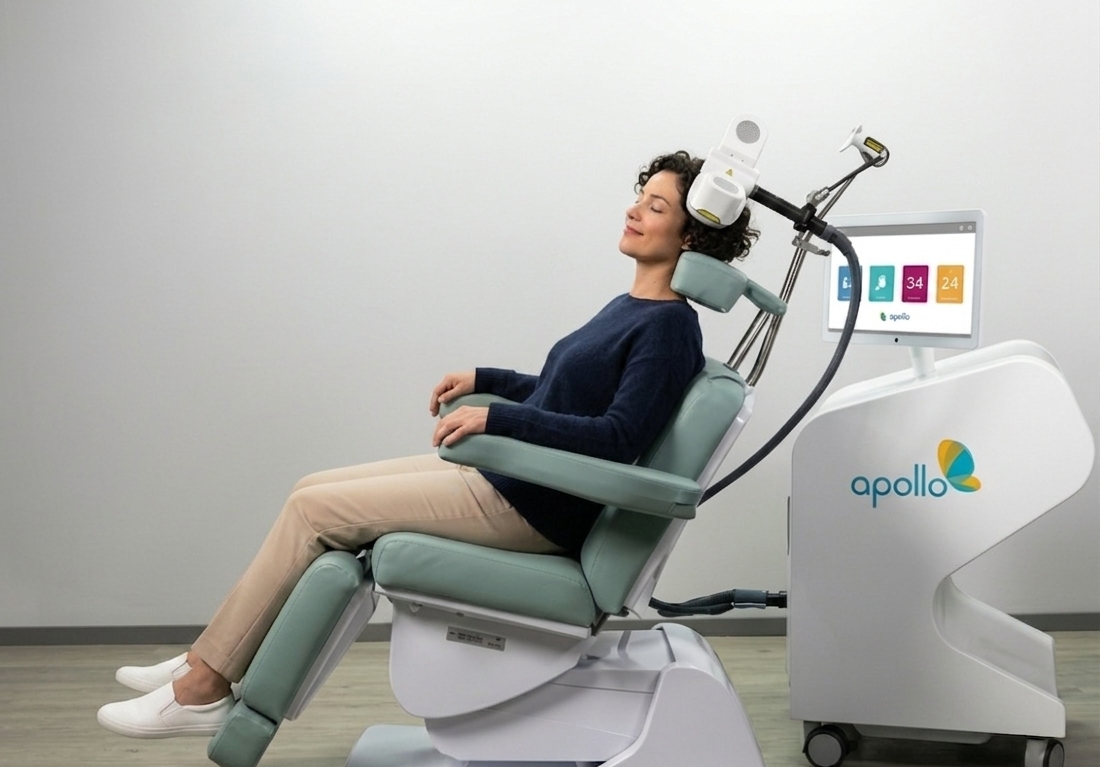
Transcranial Magnetic Stimulation (TMS) has become a leading non-medication treatment for depression, anxiety, and other mental health conditions. As interest grows, so do practical questions from patients—one of the most common being:
Does TMS make you tired?
This guide breaks down the answer clearly, with real-world expectations for patients considering treatment at Karma Doctors & Associates in Palm Springs, Rancho Mirage, 29 Palms, and surrounding Coachella Valley communities.
TMS is an FDA-approved, non-invasive treatment that uses magnetic pulses to stimulate targeted areas of the brain associated with mood regulation—particularly the prefrontal cortex.
Unlike antidepressants, TMS:
It is commonly recommended for individuals with treatment-resistant depression or those who have not responded well to medication.
Short answer: Sometimes, but typically mild and temporary.
Some patients report:
However, many patients experience no fatigue at all. When tiredness does occur, it is usually short-lived and tends to improve as treatment progresses.
There are several reasons why some patients feel tired after TMS:
TMS stimulates neural pathways, encouraging the brain to reorganize and function more efficiently. This process can temporarily feel like mental fatigue.
Many patients describe a calming effect during or after treatment. This shift from a heightened stress state to a relaxed state can feel like tiredness.
As symptoms begin to improve, some individuals experience increased emotional awareness, which can feel mentally draining early in treatment.
No. Mild fatigue is generally considered a normal and temporary response.
In fact, it often:
Patients should consult their provider if fatigue is severe, persistent, or worsening.
| Factor | TMS Therapy | Antidepressants |
|---|---|---|
| Systemic side effects | Minimal | Common |
| Daytime drowsiness | Mild (in some cases) | Often more pronounced |
| Long-term fatigue | Rare | Possible |
| Brain fog | Uncommon | More frequent |
TMS is generally better tolerated, especially for patients who experienced sedation or fatigue from medications.
At Karma Doctors & Associates, patients across:
commonly report:
It is important to distinguish between temporary post-session tiredness and chronic fatigue caused by depression, which TMS often helps reduce.
If you experience fatigue, simple adjustments can help:
These strategies are usually sufficient to manage mild tiredness.
As treatment progresses, many patients report increased energy, improved motivation, and better cognitive clarity.
Yes. This is a key benefit.
Depression often causes:
By targeting the underlying brain activity associated with depression, TMS frequently leads to:
Karma Doctors & Associates provides advanced TMS therapy tailored to each patient’s needs.
Key advantages:
Patients receive continuous monitoring to ensure both effectiveness and comfort throughout the treatment process.
Yes, mild fatigue can occur and is typically temporary.
Most patients resume normal daily activities immediately after treatment.
No, long-term fatigue is uncommon.
Yes, TMS does not impair alertness or coordination.
No, many patients experience no fatigue at all.
Not necessarily, but it can indicate that the brain is responding to stimulation.
If depression is affecting your energy, focus, or quality of life, TMS may be an effective alternative to medication.
Karma Doctors & Associates offers expert care for patients in Palm Springs, Rancho Mirage, 29 Palms, and nearby Coachella Valley communities.
Schedule a consultation to determine whether TMS therapy is right for you and begin a treatment plan designed to restore balance and improve daily functioning.
For appointments and inquiries, visit: https://karmadocs.com/