+1 (951) 297 8375
Fax: +1 (951) 602
8264
contact@karmadocs.com
Mon - Fri: 9:00 AM - 5:00 PM

Feeling overwhelmed, on edge, or unable to breathe deeply? If you’ve been searching for how to calm anxiety, you are not alone. Anxiety is one of the most common mental health challenges in America, affecting millions of adults and children every day. The good news is that there are real, proven strategies for anxiety relief that can help you feel better — sometimes within minutes. In this guide, we’ll walk you through what anxiety is, why it happens, and exactly what you can do about it.
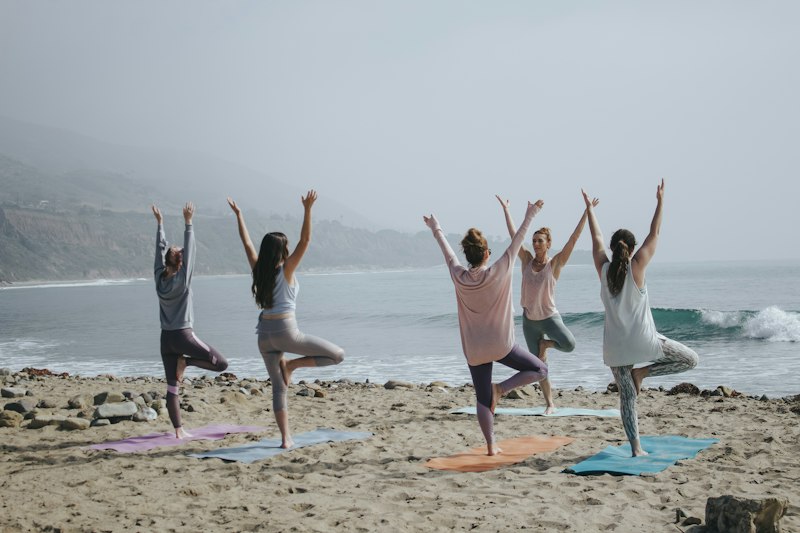
Anxiety is your body’s natural response to stress. It’s that feeling of worry, nervousness, or unease — often about something with an uncertain outcome. A little anxiety is completely normal. It can even be helpful, keeping you alert in dangerous situations. But when anxiety becomes constant, intense, or interferes with your daily life, it becomes a problem that deserves attention.
According to the Wikipedia article on anxiety disorders, anxiety disorders are the most common category of mental illness, affecting roughly 284 million people worldwide.
Anxiety shows up differently for everyone, but common signs include:
If you recognize several of these symptoms, our anxiety treatment page explains how we help patients find lasting relief.
Whether you are experiencing general anxiety or need panic attack help right now, these techniques can make a real difference.
Box breathing is a simple but powerful technique used by Navy SEALs and therapists alike to reduce anxiety quickly. Here’s how to do it:
When anxiety pulls your mind into “what if” thinking, grounding techniques anchor you back to the present moment. Try this:
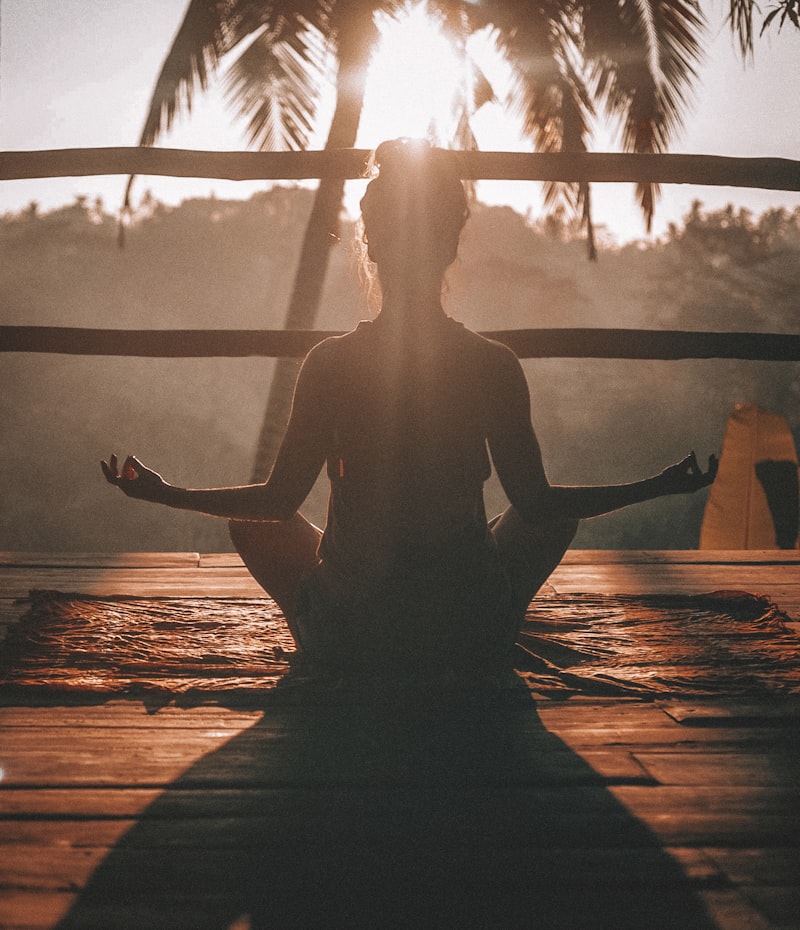
Anxiety lives in the body. By intentionally tensing and releasing muscle groups — starting from your feet and moving up to your face — you can release physical tension and signal to your nervous system that it is safe to relax.
Both caffeine and sugar can trigger or worsen anxiety symptoms by increasing your heart rate and blood sugar fluctuations. Try switching to herbal tea and notice if your baseline anxiety decreases over a few days.
Exercise is one of the most effective natural remedies for anxiety. Even a 20-minute brisk walk releases endorphins and lowers cortisol (the stress hormone). Aim for at least 30 minutes of moderate exercise most days of the week.
Writing down your anxious thoughts can help you see them more objectively. Try writing three things you are worried about, followed by three pieces of evidence that contradict each worry. This cognitive technique is a cornerstone of CBT (Cognitive Behavioral Therapy).
Social connection is a natural anxiety buffer. Talking to a trusted friend or family member — or even a therapist — helps process worries and reduces the isolation that often makes anxiety worse. Our team at Karma Docs is always here to listen. Book a consultation today and talk to a compassionate psychiatrist.
Even 5–10 minutes of daily mindfulness practice can significantly reduce anxiety over time. Apps like Headspace, Calm, or Insight Timer offer free guided sessions to get you started.
Anxiety can be triggered by a combination of factors, including:
Self-help strategies are valuable, but professional treatment is often necessary for lasting relief. Options include:
Please reach out to a mental health professional if:
You deserve to feel calm and in control of your life. Our board-certified psychiatrists at Karma Docs specialize in anxiety disorders and are ready to create a personalized treatment plan just for you. Schedule your appointment today — help is closer than you think.

Box breathing is one of the fastest ways to calm anxiety. Inhale for 4 counts, hold for 4, exhale for 4, and hold for 4. Repeat 4–5 times. This activates your parasympathetic nervous system and slows your heart rate within minutes.
During a panic attack, focus on slow, controlled breathing and remind yourself that panic attacks are not dangerous and will pass. Try the 5-4-3-2-1 grounding technique to anchor yourself to the present. Seek professional help if panic attacks are frequent.
Yes, many people manage anxiety effectively without medication through therapy (especially Cognitive Behavioral Therapy), lifestyle changes, mindfulness, and exercise. However, for moderate to severe anxiety, medication combined with therapy often produces the best results. Speak with a psychiatrist to find the right approach for you.
Foods rich in magnesium (leafy greens, nuts), omega-3 fatty acids (salmon, walnuts), and antioxidants (blueberries, dark chocolate) support mental health. Reducing caffeine, alcohol, and processed sugar can also help lower anxiety levels.
You should see a doctor or psychiatrist if your anxiety is persistent, interferes with daily life, causes physical symptoms, or leads to panic attacks. Early treatment leads to better outcomes and faster relief.