Mon - Fri: 9:00 AM - 5:00 PM
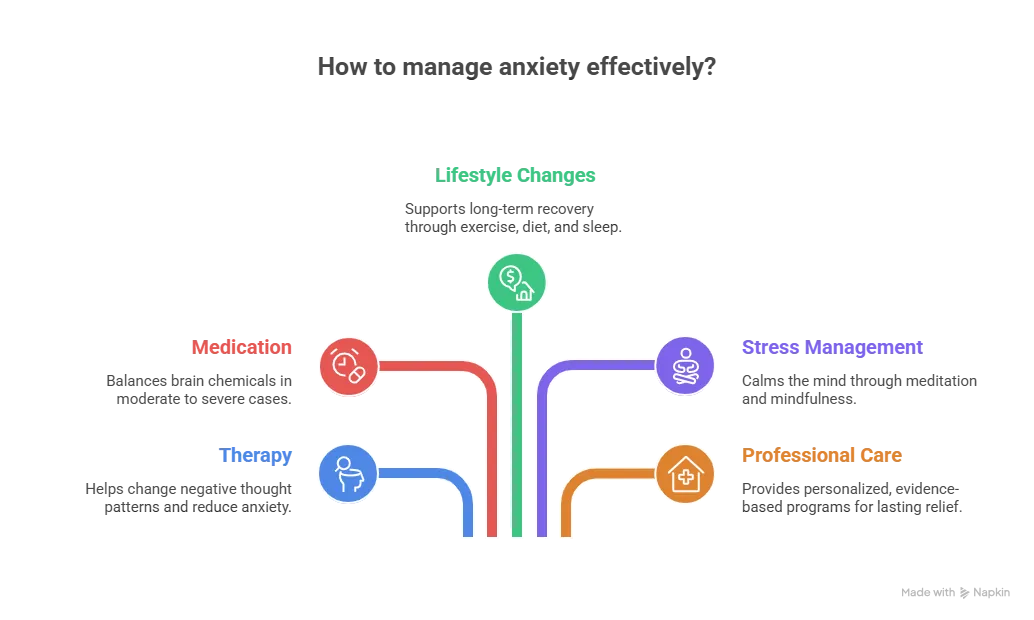
To deal with anxiety when it affects daily life, combine immediate calming tools with long-term changes and, when needed, professional care. Use slow breathing and grounding to settle symptoms in the moment; protect sleep, movement, and regular meals; limit caffeine and alcohol; break avoided tasks into small steps instead of skipping them; and challenge worst-case thinking. If anxiety lasts more than a few weeks, causes you to miss work, school, or social plans, or comes with panic attacks or depression, see a psychiatrist. Anxiety disorders are highly treatable with therapy such as CBT, medication, or both.
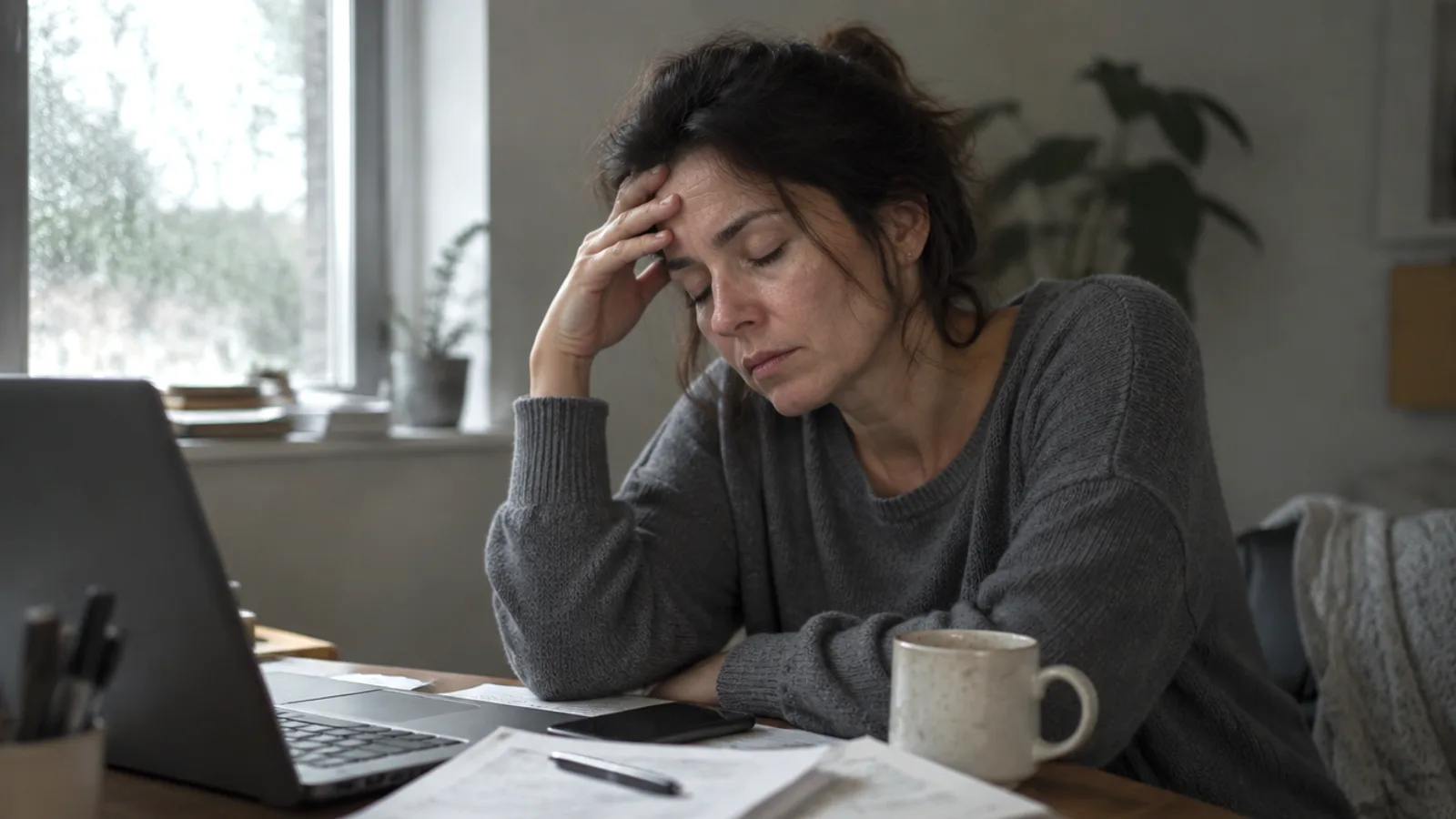
Everyone feels anxious sometimes. A job interview, a medical test, or a difficult conversation can set your heart racing, and that is normal. But when worry follows you into every part of the day, making it hard to focus at work, sleep through the night, answer the phone, or leave the house, anxiety is no longer just a feeling. It has become an obstacle.
If you are searching for how to deal with anxiety when it affects daily life, you are far from alone. Anxiety disorders are the most common mental health condition in the United States, affecting an estimated 19% of adults each year according to the National Institute of Mental Health. The good news is that they are also among the most treatable. This guide from the psychiatric team at Karma Doctors & Associates explains how to recognize when anxiety has crossed the line, practical strategies you can start today, and when it is time to get professional support.
Anxiety becomes a problem when it is out of proportion to the situation, lasts for weeks, and starts changing what you do. Healthy anxiety is short-lived and helps you prepare. Problematic anxiety lingers, feels uncontrollable, and pushes you to avoid things that matter.
Clinicians often describe anxiety disorders in terms of functional impairment: the degree to which symptoms interfere with work, school, relationships, and self-care. Common anxiety disorders include generalized anxiety disorder (GAD), panic disorder, social anxiety disorder, and specific phobias. Related conditions such as OCD and PTSD also involve intense anxiety. You can learn more on our anxiety treatment page.
Ask yourself whether any of the following have been true for two weeks or longer:
Two or more of these signs suggest anxiety is affecting your daily functioning and deserves attention, not just willpower.
Anxiety is driven by the brain’s threat-detection system. When the amygdala senses danger, it triggers the “fight-or-flight” response, releasing adrenaline and cortisol. In anxiety disorders, this alarm fires too easily and too often.
The problem compounds through avoidance. Each time you skip a feared situation, you feel brief relief, and the brain learns that avoiding was the reason you stayed “safe.” Over time, the list of avoided situations grows and daily life shrinks. Contributing factors include:
These evidence-based strategies help calm symptoms in the moment and reduce anxiety over time. For more in-the-moment techniques, read how to calm anxiety: proven tips that actually work.
Try 4-7-8 breathing or box breathing: inhale for 4 seconds, hold, then exhale longer than you inhaled. A longer exhale activates the parasympathetic nervous system and lowers heart rate within minutes.
Name 5 things you see, 4 you can touch, 3 you hear, 2 you smell, and 1 you taste. Grounding pulls attention out of “what if” thinking and back into the present.
Avoidance feeds anxiety. Break a feared task into tiny, manageable steps. If phone calls feel impossible, start by drafting what you will say, then make one short call. Each completed step teaches your brain the situation is survivable.
Set aside 15 minutes each day to write down worries. When anxious thoughts appear at other times, note them and postpone them to your window. This technique, used in CBT, helps contain worry so it doesn’t consume the whole day.
Ask: What is the evidence? What is the most likely outcome? What would I tell a friend? Replacing worst-case predictions with realistic ones weakens anxiety’s grip.
Keep consistent bed and wake times, limit screens an hour before bed, and keep your bedroom cool and dark. Poor sleep significantly increases next-day anxiety.
Just 20 to 30 minutes of walking, swimming, cycling, or yoga burns off stress hormones and boosts mood-regulating chemicals. In the Coachella Valley, early-morning or evening walks help avoid peak desert heat.
Caffeine can mimic panic symptoms, and alcohol causes “rebound” anxiety as it wears off. Nutrition matters too; explore the gut-brain connection and mood.
Even 10 minutes a day of mindfulness meditation can reduce anxiety symptoms over several weeks. See the research behind mindfulness and easy ways to start.
Anxiety shows up differently in each area of life. Targeted adjustments make a real difference:
| Area of Life | How Anxiety Shows Up | What Helps |
|---|---|---|
| Work | Procrastination, perfectionism, dread before meetings | Prioritized to-do lists, scheduled breaks, asking about reasonable accommodations |
| Home | Unfinished chores, restlessness, trouble relaxing | Simple routines, decluttering one small area at a time, wind-down rituals |
| Relationships | Irritability, reassurance-seeking, canceling plans | Honest communication, involving loved ones in your plan, keeping small social commitments |
| Health | Tension, stomach upset, frequent doctor visits | Rule out medical causes once, then treat the anxiety itself |
If anxiety significantly limits your ability to work, you may have legal protections. Learn more in is anxiety a disability? The legal and medical truth. Family support also plays a big role, as explained in the role of family and friends in mental health recovery.
See a psychiatrist if anxiety has lasted more than two to four weeks, self-help strategies aren’t enough, or symptoms are disrupting work, school, sleep, or relationships. Seek help sooner if you notice:
A psychiatrist can make an accurate diagnosis, rule out medical causes, and build a treatment plan that may include medication and therapy. Read the vital role of psychiatrists in mental health to understand what to expect.
Get a personalized anxiety treatment plan from a double board-certified psychiatrist. Same-week appointments and telehealth visits available.
Most people with anxiety improve significantly with the right treatment. For a deeper comparison, see what are the best treatments for anxiety.
CBT is the gold-standard therapy for anxiety. It teaches you to identify anxious thought patterns and gradually face avoided situations through exposure. Learn about the benefits of therapy for anxiety.
SSRIs and SNRIs are first-line medications for most anxiety disorders. Other options may be considered depending on your symptoms and history. Careful medication management ensures the right dose with the fewest side effects.
For patients whose anxiety occurs alongside depression that hasn’t responded to medications, FDA-cleared TMS therapy is a non-invasive, drug-free option. TMS is FDA-cleared for major depression, including depression with anxious symptoms, and for OCD.
Led by double board-certified psychiatrist Dr. Keerthy Sunder, MD, Karma Doctors & Associates provides comprehensive anxiety care from our Palm Springs clinic and via telehealth across California. Patients from Palm Desert, Rancho Mirage, Cathedral City, Indio, and Riverside County rely on us for evidence-based, compassionate psychiatric care.
Wondering about costs? Read how much a psychiatrist costs or review our accepted insurance and rates.
Learning how to deal with anxiety when it affects daily life starts with recognizing that anxiety is a health condition, not a personal weakness. Daily habits such as slow breathing, grounding, better sleep, regular movement, and facing avoided tasks in small steps can make a meaningful difference. But if anxiety keeps shrinking your world, professional treatment can help you feel like yourself again, often within weeks.
You don’t have to wait until anxiety becomes unbearable. Reach out to Karma Doctors & Associates today and take the first step toward calmer, fuller days.
Anxiety is affecting your daily life if it causes you to avoid normal activities, disrupts your sleep, lowers your work or school performance, strains relationships, or causes frequent physical symptoms for two weeks or longer.
Slow breathing with a longer exhale, such as 4-7-8 or box breathing, is one of the fastest ways to calm anxiety. Pairing it with the 5-4-3-2-1 grounding technique can reduce symptoms within a few minutes.
Short-term, situational anxiety often fades once the stressor passes. Anxiety disorders, however, usually persist or worsen without treatment, especially when avoidance becomes a habit. Therapy and medication can produce lasting improvement.
See a psychiatrist if anxiety lasts more than two to four weeks, interferes with work, school, sleep, or relationships, includes panic attacks, or occurs with depression or substance use. If you have thoughts of self-harm, call or text 988 immediately.
Cognitive behavioral therapy (CBT) and SSRI or SNRI medications are the most effective first-line treatments for anxiety disorders. Many people do best with a combination of therapy and medication guided by a psychiatrist.
Yes. Most people continue working during anxiety treatment. Outpatient therapy, medication management, and telehealth visits fit around work schedules, and some people qualify for workplace accommodations under the ADA.
Yes. Anxiety commonly causes a racing heart, chest tightness, shortness of breath, headaches, stomach problems, muscle tension, dizziness, and fatigue. A medical evaluation can rule out other causes.
Karma Doctors & Associates offers anxiety evaluations, medication management, and TMS therapy at our Palm Springs clinic, with telehealth available throughout California. Call (951) 297-8375 to schedule.