
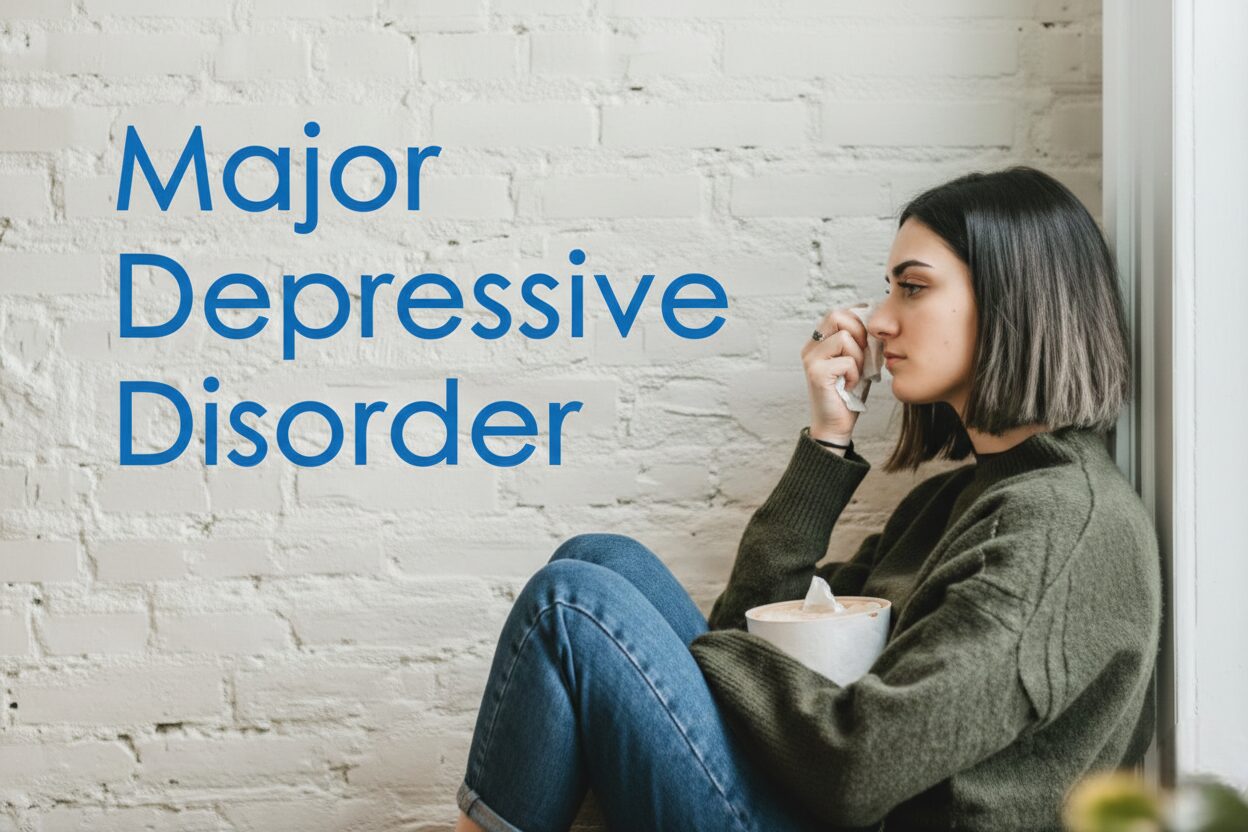
What is Major Depressive Disorder?
Some days feel heavy. But Major Depressive Disorder (MDD) is not a “bad week,” a rough patch, or a personality flaw. It is a clinically recognized mental health condition that affects how a person thinks, feels, sleeps, works, and relates to others.
If you’ve ever wondered whether what you’re experiencing is typical sadness or something more persistent and disruptive, this guide will help you understand what Major Depressive Disorder really is, and what can be done about it.
With the growing accessibility of online psychiatric consultation, individuals can now receive evaluation and treatment without location barriers.
Major Depressive Disorder: The Clinical Definition
Major Depressive Disorder is a mood disorder characterized by persistent and intense symptoms of depression lasting at least two weeks and significantly interfering with daily functioning.
Unlike temporary emotional responses to life events, MDD involves changes in brain chemistry, cognitive patterns, and physical functioning.
To receive a diagnosis, a person typically experiences at least five of the following symptoms, nearly every day, for two weeks or more:
- Depressed mood most of the day
- Loss of interest or pleasure in activities
- Significant weight change or appetite shift
- Insomnia or excessive sleeping
- Fatigue or loss of energy
- Feelings of worthlessness or excessive guilt
- Difficulty concentrating
- Slowed movements or agitation
- Recurrent thoughts of death or suicide
It’s not about how “strong” someone is. It’s about how the brain and body are functioning.
What Makes Major Depressive Disorder Different From Normal Sadness?
Sadness is an emotion. Major Depressive Disorder is a medical condition.
Here’s the difference:
| Sadness | Major Depressive Disorder |
| Linked to a specific event | May occur with or without clear trigger |
| Temporary | Persistent (2+ weeks) |
| Mood shifts over the day | Often constant heaviness |
| Doesn’t impair functioning long-term | Interferes with work, relationships, self-care |
One important distinction: in MDD, even positive events may not lift mood significantly. This loss of pleasure is called anhedonia, and it’s a hallmark symptom.
The “Invisible” Symptoms People Don’t Talk About
When most people think of depression, they imagine crying or visible sadness. But Major Depressive Disorder can show up in ways that are less obvious:
- Irritability instead of sadness
- Physical aches with no medical cause
- Brain fog or memory issues
- Social withdrawal
- Emotional numbness
Many individuals continue working or studying while silently struggling. High-functioning depression exists, and it deserves attention.
What Causes Major Depressive Disorder?
There is no single cause. MDD typically develops due to a combination of factors:
1. Biological Factors
- Imbalance in neurotransmitters (serotonin, dopamine, norepinephrine)
- Genetic predisposition
- Hormonal changes
2. Psychological Factors
- Chronic stress
- Trauma history
- Negative thinking patterns
3. Environmental Factors
- Loss of a loved one
- Financial stress
- Relationship conflict
- Social isolation
Sometimes there’s a clear trigger. Sometimes there isn’t. Both are valid experiences.
Types of Major Depressive Disorder
Major Depressive Disorder can present in different forms:
Melancholic Depression
- Severe loss of pleasure
- Early morning awakening
- Significant appetite changes
Atypical Depression
- Mood temporarily improves with positive events
- Increased appetite
- Excessive sleep
Seasonal Pattern Depression
- Occurs during specific seasons (often winter)
Postpartum Depression
- Develops after childbirth
Each subtype may influence treatment decisions, which is why a professional evaluation matters.
How Is Major Depressive Disorder Diagnosed?
Diagnosis is based on a clinical assessment conducted by a licensed psychiatrist or qualified mental health professional.
The evaluation typically includes:
- Detailed symptom history
- Duration and severity assessment
- Medical history review
- Screening for other conditions (like bipolar disorder or thyroid issues)
- Risk assessment for self-harm
Online psychiatric consultations have made this process more accessible and less intimidating. Through secure video sessions, individuals can receive a comprehensive mental health evaluation without leaving home.
Is Major Depressive Disorder Treatable?
Yes, very much so.
Treatment effectiveness improves significantly with early intervention. Options typically include:
1. Psychotherapy
Evidence-based therapies for MDD include:
- Cognitive Behavioral Therapy (CBT)
- Interpersonal Therapy (IPT)
- Behavioral Activation
- Trauma-focused therapies (if relevant)
Therapy helps identify negative thought cycles and build coping skills.
2. Medication
Antidepressants may be recommended for moderate to severe cases. These medications work by balancing neurotransmitters involved in mood regulation.
Common categories include:
- SSRIs (Selective Serotonin Reuptake Inhibitors)
- SNRIs (Serotonin-Norepinephrine Reuptake Inhibitors)
- Atypical antidepressants
Medication decisions are individualized and monitored by a psychiatrist.
3. Combined Treatment
Research shows that combining therapy and medication often yields the best results for moderate to severe Major Depressive Disorder.
The Role of Online Consultation in Depression Treatment
One of the biggest barriers to mental health care is access. Stigma, time constraints, transportation, and privacy concerns often delay treatment.
Online psychiatric care offers:
- Flexible scheduling
- Confidential sessions
- Reduced travel time
- Easier follow-ups
- Comfort of familiar surroundings
For many people, the convenience of online care removes the final obstacle to seeking help.
What Happens If Major Depressive Disorder Is Left Untreated?
Without treatment, MDD can:
- Worsening in severity
- Increase risk of substance misuse
- Impact on physical health
- Affect relationships
- Reduce work or academic performance
- Increase suicide risk
Early intervention not only shortens episodes but also reduces the likelihood of recurrence.
Living With Major Depressive Disorder: What Recovery Looks Like
Recovery doesn’t mean constant happiness. It means:
- Improved emotional regulation
- Restored interest in life
- Better sleep patterns
- Increased energy
- Stronger coping skills
Progress can be gradual. Some days feel better than others. That’s normal.
With consistent care, many individuals achieve significant improvement, and many fully recover.
When to Seek Immediate Help
If someone experiences:
- Active suicidal thoughts
- Plans to harm themselves
- Feeling unable to stay safe
Emergency medical care or crisis services should be contacted immediately. Major Depressive Disorder is treatable, but urgent symptoms require immediate intervention.
Common Questions About Major Depressive Disorder
1. Is Major Depressive Disorder the same as clinical depression?
Yes. “Clinical depression” is a commonly used term for Major Depressive Disorder.
2. Can MDD come back after treatment?
It can, especially if untreated stressors remain. Ongoing therapy or maintenance medication can reduce relapse risk.
3. How long does treatment take?
Some people see improvement within weeks. Full recovery may take months, depending on severity and individual response.
4. Is online therapy really effective?
Yes. Studies show that structured virtual therapy can be as effective as in-person treatment for many individuals.
5. Can lifestyle changes alone cure MDD?
For mild cases, lifestyle changes may help significantly. Moderate to severe cases typically require professional treatment.
A Different Way to Think About Major Depressive Disorder
Instead of seeing MDD as a weakness, think of it as a signal.
A signal that your nervous system is overwhelmed.
A signal that your brain chemistry may need support.
A signal that healing is required, not judgment.
Major Depressive Disorder is common, medically recognized, and highly treatable. And you do not have to manage it alone.
Final Thoughts
Major Depressive Disorder is more than sadness. It is a complex mental health condition that affects thoughts, emotions, and physical functioning. But it is also one of the most treatable psychiatric conditions when addressed properly.
With the growing availability of online psychiatric consultation in Palm Springs, accessing professional care is no longer restricted by geography. Providers like Karma Doctors & Associates offer confidential and structured support designed to help individuals regain stability, clarity, and emotional well-being.