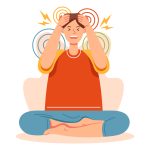

Benefits of Therapy for Anxiety: How Professional Support Can Transform Mental Health
Anxiety is one of the most common mental health challenges of modern life. From mild uneasiness to intense panic, anxiety affects how people think, feel, and function. According to the National Institute of Mental Health, nearly one in five adults in the United States experiences an anxiety disorder each year. While anxiety can be overwhelming, it is also highly treatable.
One of the most effective ways to manage anxiety is through therapy. Many people wonder, “does therapy help with anxiety?” The answer, supported by decades of research, is yes. Therapy not only reduces symptoms but also empowers individuals to understand the root causes of their anxiety and develop lifelong coping skills.
In this comprehensive guide, we’ll explore the key benefits of therapy for anxiety, what to expect from the process, and how different therapeutic approaches can help you regain control and peace of mind.
Understanding Anxiety: A Brief Overview
Before diving into the benefits of therapy, it helps to understand what anxiety actually is. Anxiety is a natural human response to stress or perceived danger. However, when anxiety becomes constant, excessive, or irrational, it can interfere with daily life.
Common Types of Anxiety Disorders
- Generalized Anxiety Disorder (GAD): Persistent and excessive worry about everyday issues.
- Social Anxiety Disorder: Fear of being judged, embarrassed, or rejected in social situations.
- Panic Disorder: Sudden, intense episodes of fear accompanied by physical symptoms such as rapid heartbeat or shortness of breath.
- Phobias: Irrational fears of specific situations or objects, such as flying or enclosed spaces.
- Post-Traumatic Stress Disorder (PTSD): Anxiety resulting from exposure to trauma.
Each type of anxiety may require a slightly different therapeutic approach, but the underlying goal remains the same: helping you understand your fears and regain control over your thoughts and emotions.
Why Therapy Works: Addressing More Than Just Symptoms
One of the major advantages of therapy over medication alone is that therapy addresses the root causes of anxiety, not just the symptoms. While medication can be useful in some cases, therapy teaches skills that last long after the sessions end.
Therapy provides:
- A structured environment for self-reflection.
- Professional support for exploring and reshaping negative thought patterns.
- Evidence-based tools for long-term emotional regulation.
In essence, therapy helps individuals build resilience — the ability to handle stress and uncertainty more effectively.
The Top Benefits of Therapy for Anxiety
1. Identifying the Root Causes of Anxiety
Anxiety often develops from a combination of factors: past trauma, chronic stress, perfectionism, or unresolved emotional issues. Therapy provides a safe space to uncover these contributing elements.
A trained therapist helps you recognize patterns — whether they’re thought-based (“I’m not good enough”) or behavior-based (avoiding stressful situations). Once identified, these patterns can be reshaped into healthier perspectives.
Understanding the why behind your anxiety is the first step toward meaningful change.
2. Developing Personalized Coping Strategies
Therapy isn’t a one-size-fits-all solution. Each person’s anxiety triggers are unique, so therapists work collaboratively to develop coping strategies tailored to your situation.
Through modalities like Cognitive Behavioral Therapy (CBT), mindfulness-based therapy, and exposure therapy, clients learn practical tools such as:
- Recognizing distorted thought patterns.
- Reframing catastrophic thinking.
- Practicing deep breathing and relaxation techniques.
- Using progressive exposure to gradually face fears.
These skills provide immediate relief during anxious moments and build long-term emotional resilience.
3. Enhancing Emotional Regulation
A key benefit of therapy for anxiety is improved emotional regulation — the ability to respond to strong emotions in healthy ways.
Therapists teach techniques such as mindfulness, grounding exercises, and body awareness that help calm the nervous system. Over time, individuals learn to recognize early signs of anxiety, preventing escalation into panic or avoidance behaviors.
This increased awareness allows for a greater sense of control, even in stressful situations.
4. Building Self-Awareness and Insight
Anxiety can cause people to feel disconnected from themselves. Therapy helps restore that connection.
Through guided discussions and introspection, you begin to notice how your thoughts influence your emotions and actions. This self-awareness makes it easier to interrupt negative cycles and choose more constructive responses.
Greater self-awareness also promotes personal growth. Many clients report improved relationships, decision-making, and overall self-confidence after engaging in therapy.
5. Improving Self-Esteem and Confidence
Chronic anxiety often undermines confidence and self-worth. Constant self-doubt, fear of failure, or the feeling of being “not enough” can become habitual.
Therapy challenges these distorted beliefs. With time, individuals learn to view themselves through a more compassionate and realistic lens. This improved self-image not only reduces anxiety but also strengthens resilience when facing future challenges.
Increased confidence translates into better communication, more assertive boundaries, and greater comfort in social or professional settings.
6. Learning Healthier Thinking Patterns
One of the core principles of CBT — one of the most effective treatments for anxiety — is that our thoughts influence our feelings and behaviors. Therapy helps individuals identify unhelpful thought patterns such as catastrophizing, black-and-white thinking, or overgeneralization.
Once these patterns are identified, clients can learn to replace them with balanced, evidence-based thinking. For example, instead of assuming “I’m going to fail,” therapy helps reframe it to “I’m doing my best, and I can handle the outcome.”
This shift in thinking reduces fear-based reactions and builds a foundation for lasting calm.
7. Gaining Tools for Stress Management
Anxiety thrives on unmanaged stress. Therapy equips clients with specific techniques to handle stress more effectively.
Common tools include:
- Time management and prioritization strategies.
- Relaxation training and mindfulness exercises.
- Journaling for emotional release.
- Boundary-setting and assertiveness training.
By incorporating these skills into daily life, individuals can significantly reduce both the frequency and intensity of anxious episodes.
8. The Healing Power of a Supportive Therapeutic Relationship
One of the most underestimated benefits of therapy for anxiety is the relationship itself. For many individuals, the therapist-client relationship is the first experience of being fully heard, understood, and accepted without judgment.
This supportive connection can reduce isolation and help clients rebuild trust — both in themselves and in others. Feeling validated and supported encourages deeper healing and motivates consistent progress.
9. Long-Term Emotional Growth and Prevention of Relapse
Therapy is not only about symptom reduction but also about long-term growth. As clients learn new ways of thinking and coping, they build lasting emotional strength.
Even after therapy ends, these skills continue to support mental well-being. People who complete therapy often report fewer relapses into severe anxiety and a greater sense of control over life’s uncertainties.
This enduring benefit makes therapy a powerful investment in lifelong mental health.
Does Therapy Really Help with Anxiety?
Yes, therapy has been shown through extensive research to be one of the most effective treatments for anxiety. Studies demonstrate that talk therapy can lead to measurable changes in brain activity, improved emotional regulation, and reduced physical symptoms of anxiety.
Compared to medication alone, therapy often produces longer-lasting results because it empowers individuals with the tools and insight needed to maintain progress independently.
Common improvements reported after therapy include:
- Better sleep quality
- Reduced panic attacks and physical symptoms
- Decreased avoidance of social or stressful situations
- Increased self-confidence and optimism
In many cases, a combination of therapy and other wellness practices — such as mindfulness, exercise, and healthy lifestyle changes — produces the best outcomes. For individuals experiencing overlapping symptoms of anxiety and depression, Depression Treatment in Palm Springs can further enhance overall emotional well-being and long-term recovery.
What to Expect When Starting Therapy for Anxiety
Beginning therapy can feel intimidating at first, but understanding what to expect helps ease the process.
1. Initial Assessment
The first few sessions typically involve discussing your background, current challenges, and goals. This helps the therapist create a personalized treatment plan.
2. Regular Sessions
Therapy sessions usually last between 45–60 minutes and take place weekly or biweekly. Consistency is important for building trust and momentum.
3. Collaborative Goal-Setting
You and your therapist will work together to identify specific goals, such as reducing panic attacks, improving self-esteem, or managing daily stress more effectively.
4. Ongoing Evaluation
Progress is regularly assessed to ensure that the therapy is meeting your needs. Adjustments are made as you grow and your situation evolves.
Therapy is a partnership — one where your participation and openness play a vital role in the outcome.
Complementary Approaches That Support Therapy
Therapy can be even more effective when combined with complementary lifestyle practices that promote mental wellness, such as:
- Regular physical activity
- Balanced nutrition
- Adequate sleep
- Mindfulness or meditation practices
- Supportive social connections
These practices enhance the benefits of therapy and promote overall emotional and physical well-being.
Conclusion
Anxiety may be common, but it doesn’t have to control your life. Anxiety treatment in Palm Springs offers a path to understanding, healing, and long-term growth. It teaches practical tools to manage symptoms, builds emotional awareness, and helps uncover the deeper causes of worry and fear.
If you’ve ever wondered, “does therapy help with anxiety?”, the answer is clear — it does. The benefits of therapy for anxiety are both immediate and enduring. From reducing physical symptoms and intrusive thoughts to fostering resilience and confidence, therapy can truly transform how you experience life.
Taking the first step toward therapy is a sign of strength, not weakness. With the right support, you can move beyond anxiety and create a calmer, more fulfilling future.