
Does Psychiatric Treatment Work? Evidence, Success Rates & Real Results
Does Psychiatric Treatment Work? Evidence, Success Rates & Real Results
Exploring the effectiveness of psychiatric interventions in treating mental health conditions is crucial for understanding the role of psychiatry in modern healthcare. This article delves into the various aspects of mental health treatment, examining the efficacy of different therapeutic approaches and their impact on individuals’ mental well-being.
Understanding Mental Health and Illness
What is Mental Health?
Mental health encompasses our emotional, psychological, and social well-being, affecting how we think, feel, and act. Maintaining positive mental health is essential at every stage of life, influencing our ability to handle stress, relate to others, and make healthy choices. Prioritizing mental health is just as important as maintaining our physical health, and both significantly impact overall quality of life. Without positive mental health, individuals can be diagnosed with mental disorders.
Common Mental Illnesses
Mental illnesses are health conditions involving changes in thinking, emotion, or behavior (or a combination of these). Some examples of mental illnesses include:
- Anxiety disorders, such as generalized anxiety disorder and panic disorder.
- Mood disorders, such as bipolar disorder and depression.
- Psychotic disorders, such as schizophrenia.
These mental health disorders can significantly impact daily life and require appropriate diagnosis and treatment from mental health professionals.
The Importance of Mental Health Care
Seeking mental health care is vital for individuals experiencing mental health conditions. Mental health care encompasses a wide range of mental health services, including diagnosis and treatment, therapy, and psychiatric care. Early intervention and appropriate treatment can significantly improve outcomes for people with mental illnesses, helping them manage their symptoms and lead fulfilling lives. Mental health treatment is a cornerstone of overall well-being, addressing not just symptoms but the root causes of mental distress.
Wondering If Psychiatric Treatment Really Works?
Conditions such as depression, anxiety, bipolar disorder, PTSD, and ADHD are highly treatable with the right psychiatric care. Evidence-based therapies, medication management, and personalized treatment plans have helped millions achieve meaningful, long-term improvement.
Schedule a Psychiatric Consultation TodayExploring Psychiatry as a Treatment Option
Role of a Psychiatrist
A psychiatrist is a medical doctor who specializes in the diagnosis and treatment of mental health disorders. Unlike other mental health professionals, a psychiatrist can prescribe psychiatric medications and may also provide therapy. The psychiatrist plays a crucial role in developing a comprehensive treatment plan, often integrating medical treatments with psychotherapy. Their expertise is invaluable in managing complex mental health conditions such as schizophrenia, bipolar disorder, and severe anxiety disorders. They work closely with patients to ensure the treatment works and is tailored to their specific needs.
Types of Psychiatric Treatments
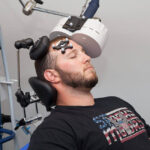
Psychiatric treatment encompasses a wide range of mental health services, including talk therapy, psychiatric medications, and innovative therapies like transcranial magnetic stimulation (TMS). Types of psychotherapy, such as cognitive behavioral therapy (CBT), are frequently used to treat anxiety disorders and mood disorders. Psychiatric medications, like antidepressants and mood stabilizers, can help manage symptoms. For some treatment options, transcranial magnetic stimulation is also available. A combination of these approaches is often used to provide the most effective treatment in psychiatry to treat mental health conditions.
Effectiveness of Psychiatric Treatment
The effectiveness of psychiatric treatment is supported by extensive research, which shows many people with mental illnesses experiencing significant improvement with appropriate care. Psychiatric medications can be highly effective in managing symptoms, while psychotherapy addresses underlying issues. The American Psychiatric Association supports the use of a variety of methods. The treatment success often depends on the individual’s specific mental health condition, the treatment plan, and their commitment to therapy. Effective psychiatric care is crucial for improving mental well-being and physical health.
Psychotherapy: A Key Component of Mental Health Treatment
What is Psychotherapy?
Psychotherapy, often referred to as talk therapy, is a crucial element in mental health treatment. It involves a therapeutic relationship between a person and a trained mental health professional, such as a psychiatrist, psychologist, or licensed therapist. Through regular sessions, individuals explore their thoughts, feelings, and behaviors to develop insights and coping strategies for mental health disorders. Psychotherapy is an important part of a holistic treatment plan that will help in dealing with mental health conditions.
Types of Psychotherapy
There are various types of psychotherapy, each with its unique approach. The choice of therapy depends on the individual’s needs and the specific mental health condition being addressed.
| Therapy Type | Description |
|---|---|
| Cognitive Behavioral Therapy (CBT) | Helps people identify and change negative thinking patterns. |
| Dialectical Behavior Therapy (DBT) | Teaches skills to manage emotions and improve relationships. |
These various types of psychotherapy offer various treatment options.
How Effective is Psychotherapy?
Psychotherapy is highly effective in treating a wide range of mental health conditions. Research shows that it can significantly reduce symptoms of mental illnesses such as anxiety disorders, depression, and post-traumatic stress disorder (PTSD). Psychotherapy helps individuals develop coping mechanisms, improve communication skills, and enhance self-awareness. The effectiveness of psychiatric treatment using psychotherapy is often enhanced when combined with psychiatric medications, providing a comprehensive approach to mental health care.
Psychiatric Medications and Their Role
Understanding Psychiatric Medications
Psychiatric medications are prescribed by a psychiatrist or other qualified medical professional to manage symptoms of mental health disorders. These medications work by altering brain chemistry to improve mood, reduce anxiety, or stabilize thought patterns. Common types of psychiatric medications include antidepressants, mood stabilizers, anti-anxiety medications, and antipsychotics. Psychiatric medications can play a crucial role in helping individuals with mental health conditions regain control over their lives.
Wondering If Psychiatric Treatment Really Works?
Conditions such as depression, anxiety, bipolar disorder, PTSD, and ADHD are highly treatable with the right psychiatric care. Evidence-based therapies, medication management, and personalized treatment plans have helped millions achieve meaningful, long-term improvement.
Schedule a Psychiatric Consultation TodayEffectiveness of Psychiatric Medications
The effectiveness of psychiatric medications is well-documented, with many people with mental illnesses experiencing significant relief from their symptoms. For example, antidepressants can alleviate symptoms of depression, while mood stabilizers can help manage bipolar disorder. However, it’s essential to understand that psychiatric medications don’t cure mental illnesses but rather help manage the symptoms. The American Psychiatric Association supports the use of these medications as part of a comprehensive treatment plan.
Common Medications for Mental Illnesses
Several common medications are used to treat mental illnesses. These medications include:
- Selective serotonin reuptake inhibitors (SSRIs), often prescribed for depression and anxiety disorders.
- Mood stabilizers like lithium, used to treat bipolar disorder.
- Antipsychotics, used to treat conditions like schizophrenia.
The choice of medication depends on the specific mental health condition, its severity, and the individual’s response to treatment. It’s crucial for people with mental health disorders to work closely with their psychiatrist to find the most effective treatment and medication.
Support Systems in Mental Health Treatment
The Role of Support Groups
Support groups play a vital role in mental health treatment. These groups bring together individuals facing similar mental health conditions, providing a safe and empathetic environment for sharing experiences and coping strategies. Participating in support groups can reduce feelings of isolation and stigma, fostering a sense of community. The therapeutic benefits are substantial, complementing traditional psychiatric treatment approaches. Psychotherapy and group support often enhance each other, reinforcing positive outcomes for people with mental illnesses. They can be highly effective for mental health.
Family and Community Support
Family and community support are integral to the success of any treatment plan for mental illnesses. A supportive network can significantly improve a person’s mental well-being, providing encouragement and practical assistance during challenging times. Educating family members about mental health can foster understanding and reduce stigma. Community-based mental health services also play a crucial role, offering resources and support networks that extend beyond the clinical setting. Integrating family and community into mental health care enhances the overall effectiveness of psychiatric treatment.
Therapy Sessions and their Importance
Therapy sessions are a cornerstone of mental health treatment, offering individuals a structured and confidential space to address their challenges. Talk therapy, such as cognitive behavioral therapy, helps individuals identify and modify negative thought patterns and behaviors. Regular therapy sessions provide ongoing support and guidance, facilitating personal growth and resilience. Psychiatrists and other mental health professionals use therapy to tailor treatment options to the individual’s specific needs, ensuring a holistic approach to mental health care and maximizing treatment success.
Wondering If Psychiatric Treatment Really Works?
Conditions such as depression, anxiety, bipolar disorder, PTSD, and ADHD are highly treatable with the right psychiatric care. Evidence-based therapies, medication management, and personalized treatment plans have helped millions achieve meaningful, long-term improvement.
Schedule a Psychiatric Consultation TodayFrequently Asked Questions
How Does Psychiatry Work?
Psychiatry is a branch of medicine focused on the diagnosis and treatment of mental disorders. A psychiatrist assesses a patient’s mental health, often using a combination of interviews, psychological assessments, and physical health examinations. Based on this assessment, the psychiatrist develops a treatment plan that may include psychiatric medications, psychotherapy, or other treatment options. Psychiatry aims to alleviate symptoms, improve functioning, and enhance the overall mental well-being of individuals with mental illnesses.
What to Expect from a Psychiatrist?
When you see a psychiatrist, expect a comprehensive assessment of your mental health. The psychiatrist will ask about your symptoms, medical history, and personal circumstances. They may also conduct psychological tests to aid in diagnosis and treatment. Together, you and the psychiatrist will develop a treatment plan tailored to your needs, which may involve psychiatric medications, talk therapy, or other treatment options. Regular follow-up appointments are essential to monitor progress and adjust the treatment plan as needed. The American Psychiatric Association recommends regular consultations.
Is Treatment Always Effective?
While psychiatric treatment can be highly effective, it’s essential to understand that treatment success varies. Many people with mental illnesses experience significant improvement with appropriate care, but not everyone responds in the same way. Factors such as the severity of the mental health condition, individual differences, and adherence to the treatment plan can influence outcomes. Research shows that a combination of psychiatric medications and psychotherapy, such as cognitive behavioral therapy, often yields the best results in the range of mental health conditions.