
How Effective Are PTSD Treatments for Veterans? Evidence-Based Results
How Effective Are PTSD Treatments for Veterans? Evidence-Based Results
For many former service members, life after the military comes with invisible wounds that are just as real as physical injuries. Veterans seeking PTSD treatment in Palm Springs often arrive with the same question on their minds: do these treatments really work, and is recovery possible after everything I have been through? Post-traumatic stress disorder can follow veterans for years, affecting sleep, relationships, careers, and overall quality of life. Understanding how effective modern PTSD treatments are for veterans is often the first step toward hope and healing.
This in-depth guide is written to be practical, human, and grounded in real clinical evidence. It explains what PTSD looks like in veterans, the recovery rate for veterans with PTSD, which treatments work best, how long improvement usually takes, and what veterans can realistically expect from care today.
Understanding PTSD
PTSD develops when the brain remains stuck in survival mode after experiencing trauma. In veterans, this trauma is often repeated and intense. Combat exposure, life-threatening missions, explosions, moral injury, witnessing death, and prolonged stress fundamentally change how the brain processes fear and memory.
Veteran PTSD often differs from civilian PTSD in complexity. Many veterans experience multiple traumatic events rather than a single incident. This can lead to deeper emotional conditioning, stronger avoidance patterns, and a heightened stress response that does not shut off easily. Without treatment, symptoms frequently worsen over time rather than fading naturally.
Understanding this complexity is essential when evaluating how effective PTSD treatments are for veterans, because treatment success depends on addressing both the trauma and the nervous system changes behind it.
Are You or a Loved One Struggling With PTSD After Military Service?
Flashbacks, anxiety, sleep problems, emotional numbness, or difficulty adjusting to civilian life can be signs of PTSD in veterans. Evidence-based PTSD treatments have helped many veterans regain control and improve quality of life. Early, specialized care makes a real difference.
Get Expert PTSD Help for Veterans TodayHow Effectiveness of PTSD Treatments Is Measured
Effectiveness in PTSD care is not based on motivation or willpower. Clinicians rely on standardized outcome measures and real-world functioning to determine success. These include symptom severity scales, emotional regulation, sleep quality, and the ability to maintain relationships and employment.
A treatment is considered effective when it reduces intrusive memories, avoidance behaviors, negative mood changes, and hyperarousal. Just as important is whether veterans regain a sense of safety, emotional control, and purpose in daily life. Long-term durability matters as well. Treatments that show short-term improvement but relapse quickly are less effective than those producing sustained recovery.
When asking do PTSD treatments work for veterans, the answer must include both symptom reduction and meaningful life improvement.
Trauma-Focused Therapy and Recovery Rates for Veterans With PTSD
Trauma-focused psychotherapy is the cornerstone of effective PTSD treatment for veterans. These therapies help the brain reprocess traumatic memories so they no longer trigger overwhelming emotional responses.
Cognitive Processing Therapy focuses on changing unhelpful beliefs linked to trauma, such as excessive guilt, self-blame, or shame. Veterans often carry moral injury that deeply affects identity. CPT helps restructure these beliefs, leading to improved emotional balance and reduced PTSD symptoms. Studies show that many veterans experience substantial improvement within three to four months of consistent CPT.
Prolonged Exposure Therapy works by gradually reducing fear through controlled exposure to trauma memories and avoided situations. Over time, the brain learns that these memories no longer signal danger in the present. Veterans who complete exposure therapy often report fewer flashbacks, reduced anxiety, and increased confidence in daily life.
Eye Movement Desensitization and Reprocessing uses bilateral stimulation to help the brain re-store traumatic memories in a less emotionally charged form. EMDR can be especially effective for veterans who struggle to verbalize their experiences.
Across large clinical trials and real-world programs, trauma-focused therapies show recovery or significant improvement rates of approximately 60 to 70 percent for veterans who complete treatment. This data strongly supports the conclusion that PTSD treatments do work for veterans when delivered properly.
Medication Treatment and Its Role in Veteran PTSD Recovery
Medication does not cure PTSD, but it often plays an important supportive role. Antidepressants such as SSRIs and SNRIs help regulate mood, reduce anxiety, and improve sleep. For many veterans, medication lowers symptom intensity enough to allow meaningful engagement in therapy.
Research shows that combined treatment using both medication and psychotherapy produces better outcomes than either approach alone. Medication effectiveness varies between individuals, making careful psychiatric evaluation and ongoing monitoring essential.
When medication is personalized and adjusted thoughtfully, it contributes positively to overall recovery rates for veterans with PTSD.
Are You or a Loved One Struggling With PTSD After Military Service?
Flashbacks, anxiety, sleep problems, emotional numbness, or difficulty adjusting to civilian life can be signs of PTSD in veterans. Evidence-based PTSD treatments have helped many veterans regain control and improve quality of life. Early, specialized care makes a real difference.
Get Expert PTSD Help for Veterans TodayAdvanced Treatments for Veterans Who Do Not Respond to Standard Care
Not all veterans respond adequately to traditional therapy and medication. For those with treatment-resistant PTSD, advanced interventions have significantly expanded recovery possibilities.
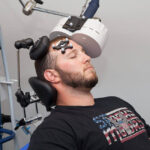
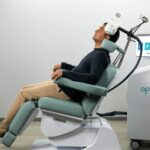
Transcranial Magnetic Stimulation is a non-invasive treatment that uses magnetic pulses to stimulate brain regions involved in mood regulation and emotional control. Although initially approved for depression, growing evidence supports its use for PTSD, particularly in veterans.
Clinical data shows that many veterans receiving TMS experience reduced hyperarousal, fewer intrusive thoughts, improved sleep, and better emotional regulation. TMS is well tolerated, does not require anesthesia, and allows patients to continue daily activities during treatment.
Neurofeedback is another emerging approach that helps veterans learn to regulate abnormal brainwave patterns linked to trauma responses. While research is still evolving, early evidence suggests benefits for hypervigilance and emotional instability.
Real-World Effectiveness and Veteran Recovery Outcomes
Clinical trials are important, but real-world results matter just as much. In everyday practice, effectiveness depends on engagement, consistency, and quality of care. Veterans who complete full treatment courses consistently show better outcomes than those who stop early.
Strong therapeutic relationships significantly improve success rates. Veterans are more likely to heal when they feel understood, respected, and supported rather than judged. Integrated care models that combine psychiatry, psychotherapy, and advanced treatments consistently outperform fragmented care.
Large-scale treatment systems aligned with standards used by the U.S. Department of Veterans Affairs demonstrate that evidence-based, coordinated care leads to meaningful and lasting symptom reduction.
How Long Does It Take to See Results From PTSD Treatment
One of the most common questions veterans ask is how long treatment takes to work. While individual timelines vary, many veterans notice early improvements within four to six weeks. These may include better sleep, reduced anxiety, or fewer intrusive thoughts.
More stable and lasting improvements typically develop over three to six months of consistent treatment. Veterans with complex trauma histories may require longer care, but progress remains achievable even after years of symptoms.
PTSD treatment does not erase memories. Instead, it reduces their emotional power and restores control over reactions and decision-making.
Factors That Influence How Effective PTSD Treatments Are for Veterans
Several factors affect treatment success. These include trauma severity, duration of symptoms, co-existing conditions such as depression or substance use, and access to specialized care. Social support and stable living conditions also play important roles.
Veterans who receive individualized treatment plans tailored to their experiences show better outcomes than those receiving generic approaches. Early treatment improves recovery rates, but even veterans with decades-old trauma can benefit from modern therapies.
Can Veterans Fully Recover From PTSD
Recovery does not always mean the complete absence of symptoms, but many veterans reach a point where PTSD no longer controls their lives. They sleep better, reconnect with loved ones, return to work, and regain confidence and emotional balance.
Long-term studies show that veterans who complete evidence-based treatment maintain improvements for years, especially when supported by ongoing coping strategies and periodic mental health follow-up.
Are You or a Loved One Struggling With PTSD After Military Service?
Flashbacks, anxiety, sleep problems, emotional numbness, or difficulty adjusting to civilian life can be signs of PTSD in veterans. Evidence-based PTSD treatments have helped many veterans regain control and improve quality of life. Early, specialized care makes a real difference.
Get Expert PTSD Help for Veterans TodayFinal Thoughts
So, how effective are PTSD treatments for veterans? The evidence is clear. PTSD treatments do work for veterans, and recovery rates are strong when care is evidence-based, personalized, and consistent.
With trauma-focused therapy, appropriate medication, and advanced treatments when needed, veterans can move beyond survival mode and reclaim stability, purpose, and quality of life. Recovery is not only possible, it is increasingly common with modern mental health care.
Frequently Asked Questions
How effective are PTSD treatments for veterans?
PTSD treatments are highly effective for many veterans when evidence-based therapies are used. Studies show that trauma-focused treatments can significantly reduce symptoms in about 60 to 70 percent of veterans who complete care, with many experiencing long-term improvement.
Do PTSD treatments work for veterans with long-term symptoms?
Yes, PTSD treatments do work for veterans even if symptoms have lasted for years. Modern therapies are effective for both recent and long-standing PTSD, especially when treatment plans are personalized and followed consistently.
What is the recovery rate for veterans with PTSD?
The recovery rate for veterans with PTSD varies based on treatment type, severity of trauma, and consistency of care. Many veterans achieve meaningful recovery, where symptoms no longer control daily life, even if some reminders of trauma remain.
Which PTSD treatment is most effective for veterans?
Trauma-focused therapies such as Cognitive Processing Therapy, Prolonged Exposure Therapy, and EMDR are considered the most effective treatments for veterans with PTSD. In some cases, combining therapy with medication or advanced treatments improves outcomes further.
How long does it take for PTSD treatment to work for veterans?
Some veterans notice improvement within four to six weeks, while more stable recovery typically develops over three to six months. Veterans with complex trauma may need longer treatment, but progress is still achievable.