+1 (951) 297 8375
Fax: +1 (951) 602
8264
contact@karmadocs.com
Mon - Fri: 9:00 AM - 5:00 PM
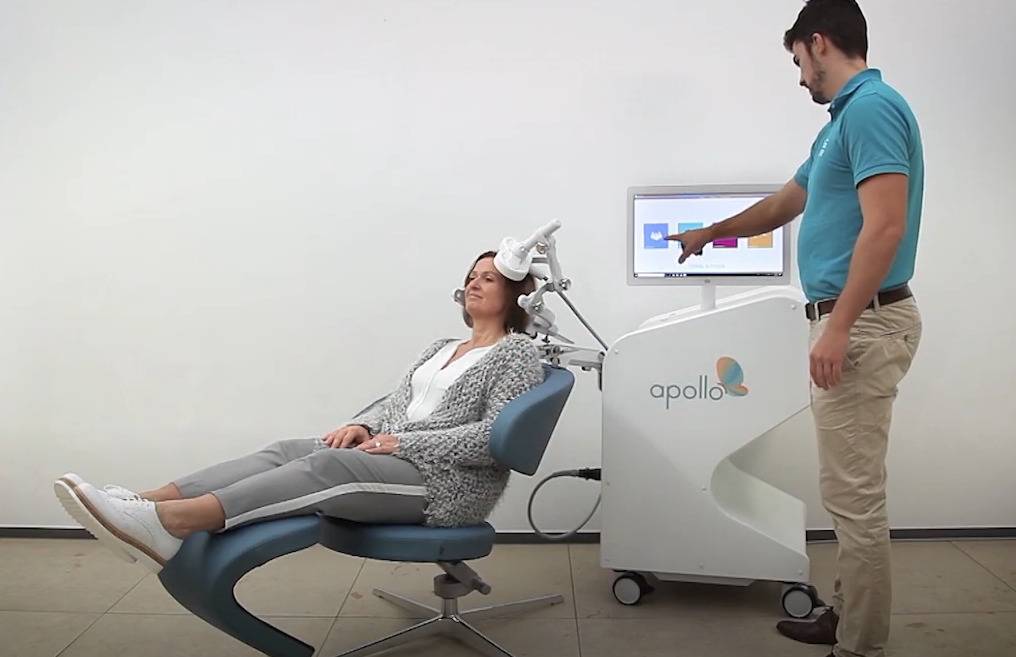
Mental health treatments have evolved rapidly over the last decade, and one therapy that continues to raise questions is Transcranial Magnetic Stimulation (TMS). If you or someone you love has struggled with depression or other mental health conditions without success from medications or therapy alone, you’ve probably asked:
Related reading: explore how KarmaDocs provides comprehensive mental health care in Palm Springs, CA. Also learn about physical anxiety symptoms that often go unrecognized.
According to Wikipedia’s article on anxiety disorders, these are a group of mental illnesses characterized by feelings of worry, anxiety, or fear that are strong enough to interfere with daily activities — and are among the most prevalent mental health conditions worldwide.
Is TMS therapy legitimate, or is it just another overhyped treatment?
This 2026 guide takes a deep, unbiased look at TMS therapy: how it works, the science behind it, safety, effectiveness, and whether it truly deserves its place in modern psychiatric care.
TMS therapy is a non-invasive brain stimulation treatment that uses magnetic pulses to activate specific areas of the brain involved in mood regulation, most commonly the prefrontal cortex.
Unlike medications that affect the entire body, TMS is highly targeted. It does not require surgery, sedation, or anesthesia, and patients remain awake during treatment.
This targeted approach is one reason TMS has become a widely discussed option for treatment-resistant mental health conditions.
Yes! TMS therapy is a legitimate, evidence-based medical treatment.
But legitimacy isn’t just about popularity. It’s about scientific validation, regulatory approval, and clinical use.
TMS is based on decades of neuroscience research showing that certain mental health conditions, especially depression, are associated with underactive or dysregulated brain circuits.
Magnetic pulses delivered during TMS:
This isn’t theoretical science. Brain imaging studies consistently show measurable changes in neural activity following TMS treatment.
One of the strongest indicators of legitimacy is regulatory oversight.
TMS therapy:
By 2026, TMS will have expanded beyond experimental use and will be considered a standard second- or third-line treatment when traditional approaches fail.
TMS is most widely used for depression that does not respond adequately to antidepressant medications. Many patients seek TMS after trying multiple medications without meaningful improvement.
While depression has the strongest evidence, research continues for other conditions, including:
It’s important to note that effectiveness varies by condition, and not all uses are universally approved.
Effectiveness depends on individual factors such as diagnosis, symptom severity, and treatment adherence. That said, clinical data consistently show that TMS can provide significant symptom relief for many patients.
Some people experience long-lasting benefits, while others may need maintenance or repeat treatment courses.
Safety is one of the strongest arguments for TMS’s legitimacy.
These effects are typically short-lived and resolve without intervention.
Compared to long-term medication use, TMS is often considered remarkably well-tolerated.
Understanding what TMS isn’t can help clear up misinformation.
TMS therapy is:
❌ Not experimental
❌ Not electroshock therapy
❌ Not mind control
❌ Not hypnosis
❌ Not a quick “instant cure.”
It is a structured medical treatment that works gradually over time.
Despite strong evidence, skepticism exists, and not without reason.
Common concerns include:
These concerns don’t invalidate TMS; they highlight the importance of realistic expectations and proper medical evaluation.
TMS may be appropriate if you:
A licensed mental health professional must conduct a thorough evaluation before recommending TMS.
For individuals exploring TMS therapy in Palm Springs, CA, choosing the right provider is just as important as the treatment itself. Receiving care locally allows for consistent monitoring, convenient scheduling, and personalized treatment planning.
Clinics offering TMS therapy in Palm Springs, CA typically provide comprehensive psychiatric evaluations to ensure the treatment aligns with each patient’s diagnosis, history, and long-term mental health goals.
In 2026, TMS therapy is no longer fringe or experimental. It occupies a well-defined role in psychiatric care for patients who need more than traditional options.
Its continued growth is driven by:
Yes, TMS therapy is legitimate, science-backed, and clinically accepted.
It is not a miracle cure, but it is a proven option for people who haven’t found relief through standard treatments. Like any medical intervention, success depends on proper diagnosis, realistic expectations, and expert care.
If you’re exploring TMS therapy, a professional consultation is the most reliable way to determine whether it aligns with your mental health needs.
If you’re exploring whether TMS therapy is right for you, having the right clinical guidance matters just as much as the treatment itself.
At KarmaDocs, our experienced mental health professionals take a patient-first, evidence-based approach to care. We believe that no two mental health journeys are the same, which is why every TMS evaluation begins with a comprehensive psychiatric assessment.
Schedule a consultation with KarmaDocs today to learn whether TMS therapy may be a suitable part of your treatment plan.