Mon - Fri: 9:00 AM - 5:00 PM

Yes, Aetna insurance covers TMS therapy (Transcranial Magnetic Stimulation) for adult patients diagnosed with Major Depressive Disorder (MDD) who have not achieved adequate relief from antidepressant medications and psychotherapy. Aetna also covers TMS for Obsessive-Compulsive Disorder (OCD) under clinical policy guidelines. Coverage typically includes 30 to 36 sessions once prior authorization criteria are verified by a psychiatrist.
If you or someone you care about is struggling with persistent depression or OCD that hasn’t improved despite trying multiple prescription medications or therapy sessions, you are not out of options. Modern interventional psychiatry offers non-invasive, highly effective alternatives—most notably Transcranial Magnetic Stimulation (TMS) therapy. However, one of the most critical questions patients ask before starting treatment is: does Aetna insurance cover tms therapy?
Navigating insurance coverage for specialized mental healthcare can feel overwhelming, but the reassuring news is that Aetna recognizes TMS therapy as a medically necessary, FDA-cleared treatment. In this 2026 guide, the psychiatric team at Karma Doctors & Associates explains Aetna’s TMS coverage guidelines, eligibility criteria, prior authorization procedures, out-of-pocket expenses, and local treatment access across Southern California.
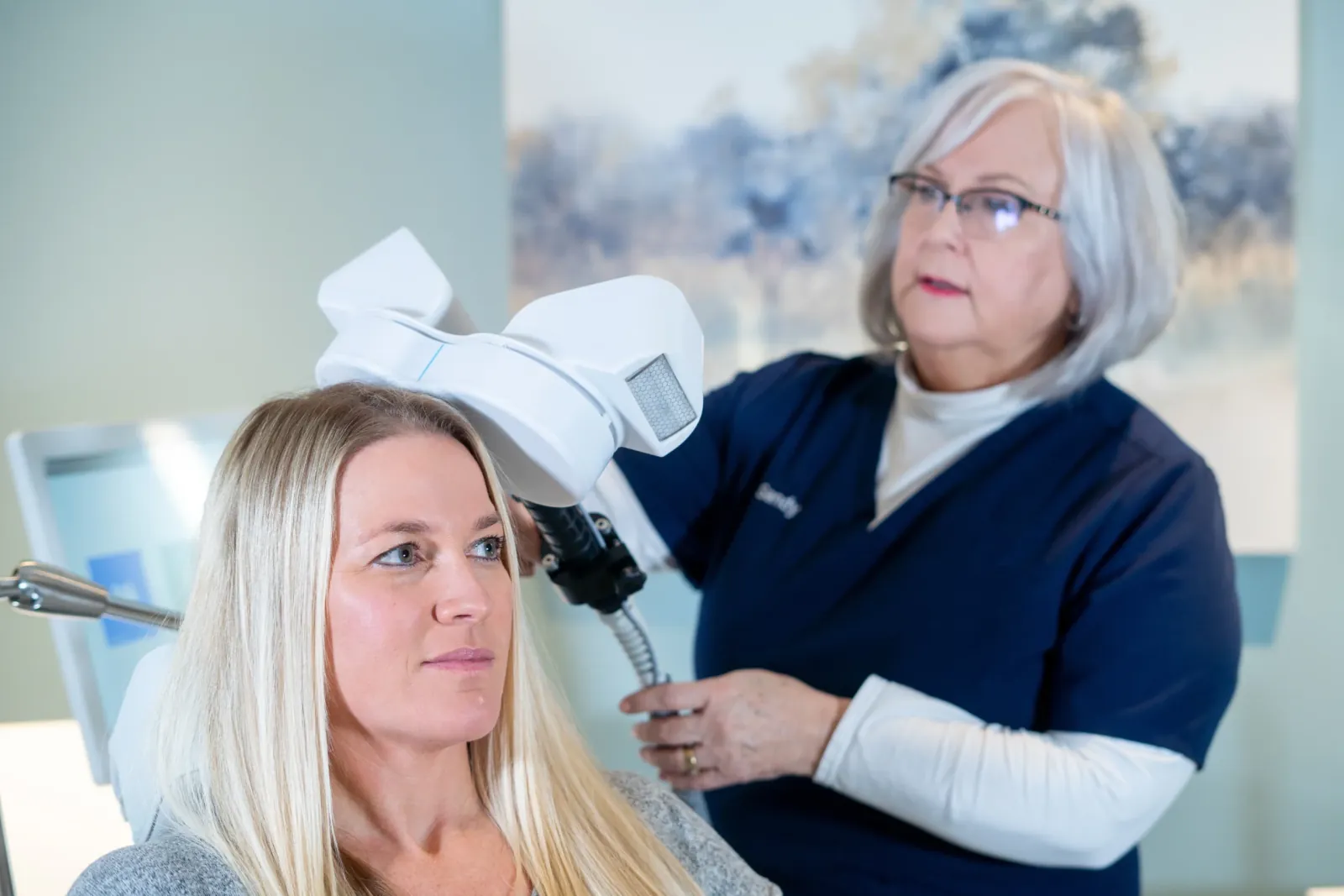
Transcranial Magnetic Stimulation (TMS) is an FDA-cleared, non-invasive treatment that uses targeted magnetic pulses to stimulate underactive nerve cells in brain regions controlling mood regulation.
Key aspects of TMS therapy include:
Because of its proven effectiveness for treatment-resistant depression, major insurers—including Aetna—formally cover TMS as a standard medical benefit. To learn more about treatment mechanics, read our complete guide on what TMS treatments are.
Yes, Aetna insurance does cover TMS therapy. Aetna includes coverage for Transcranial Magnetic Stimulation across commercial health plans, employer group insurance, Aetna Medicare Advantage, and select student health plans.
Aetna’s official clinical policy (outlined in Aetna Clinical Policy Bulletin #0469) classifies repetitive TMS (rTMS) as medically necessary when established clinical criteria are satisfied. Aetna recognizes that for individuals living with Major Depressive Disorder, standard pharmaceuticals frequently fail to deliver lasting remission, making brain stimulation medically necessary.
However, coverage requires a formal prior authorization request submitted by your psychiatrist. For comparisons with other insurers, review our guides on overall insurance coverage for TMS, Medicare TMS coverage, and Tricare TMS benefits.
To receive Aetna approval for TMS therapy, patients must meet specific clinical parameters. Understanding these requirements helps ensure a smooth approval process.
To qualify for Aetna TMS therapy coverage for Major Depressive Disorder, patients must fulfill the following coverage criteria:
If you meet these requirements, Aetna approves an initial course of treatment. The team at Karma Doctors & Associates can review your medical records during an evaluation to confirm your eligibility.
Aetna provides coverage for the following primary mental health conditions:
The primary indication covered by Aetna. For patients whose depression persists despite medications, TMS helps over 60% of patients experience significant symptom reduction, with over 30% achieving complete remission.
Aetna covers specialized Deep TMS protocols for OCD when patients have not responded to standard SSRIs and therapy. Read our clinical guide on how to get TMS for OCD for details.
Aetna covers TMS for major depression accompanied by anxious distress, helping relieve co-occurring anxiety symptoms. Explore our anxiety disorder treatments, OCD care, PTSD services, and bipolar depression support.
When Aetna approves TMS therapy, they authorize a complete standard clinical treatment course:
To learn more about treatment scheduling, read our article on how many TMS sessions you need. If symptoms return later, Aetna may authorize a re-retreatment course if the patient responded well to initial therapy.
Aetna requires prior authorization before TMS therapy begins. The process involves five simple steps:
| Step | Action Item | Timeline |
|---|---|---|
| 1. Psychiatric Evaluation | Comprehensive evaluation with a Karma Doctors psychiatrist. | Day 1 |
| 2. Documentation Gathering | Collect pharmacy records, therapy notes, and medication logs. | Days 2–4 |
| 3. Submission to Aetna | Submit formal request with PHQ-9 scores and physician notes. | Day 5 |
| 4. Aetna Review | Aetna medical director reviews records against CPB #0469. | 5–10 Days |
| 5. Treatment Approval | Approval issued detailing authorized CPT codes and session count. | Upon Approval |
At Karma Doctors & Associates, our intake specialists manage authorization paperwork on your behalf to minimize delays.
While Aetna covers most treatment costs, your out-of-pocket expenses depend on your plan structure, annual deductible, and copayment responsibilities:
Without insurance, TMS costs range between $6,000 and $12,000. Read our guides on the cost of TMS without insurance and what to know before self-paying.
If Aetna issues an initial denial—often due to missing pharmacy logs—you have options to overturn the decision:
For patient experience insights, review our articles on does TMS therapy hurt, does TMS make you tired, and psychiatrist perspectives on patient experiences.
Karma Doctors & Associates serves patients across Riverside, Imperial, and San Bernardino counties, providing in-network interventional care close to home.
Explore our regional psychiatric care pages:
Led by double board-certified psychiatrist Dr. Keerthy Sunder, MD (Mayo Clinic alumnus), Karma Doctors & Associates specializes in treating medication-resistant conditions with FDA-cleared TMS technology.
Why patients select Karma Doctors:
Yes. Aetna covers Transcranial Magnetic Stimulation (TMS) therapy for Major Depressive Disorder (MDD) when the patient has treatment-resistant depression and satisfies Aetna’s prior authorization guidelines.
Yes, Aetna requires prior authorization before starting TMS therapy. Your psychiatrist must submit clinical documentation demonstrating diagnosis, medication trials, psychotherapy history, and depression scores.
Under Aetna Clinical Policy Bulletin #0469, patients typically must demonstrate an inadequate response to 2 to 4 different antidepressant medications from separate pharmacological classes.
Yes. Aetna covers FDA-cleared Deep TMS protocols for Obsessive-Compulsive Disorder (OCD) when patients have not responded to standard SSRIs and ERP therapy.
With Aetna in-network coverage, out-of-pocket expenses are limited to your plan’s deductible, specialist visit copays ($20–$50 per session), or coinsurance up to your annual maximum.
Once all required psychiatric records and pharmacy logs are submitted, Aetna’s clinical review process generally takes between 5 and 10 business days.
If Aetna denies your initial request, Karma Doctors can conduct a Peer-to-Peer review, file a formal clinical appeal, or provide flexible financing options so treatment is not delayed.
So, does Aetna cover TMS therapy? Yes, in qualified cases. Aetna recognizes Transcranial Magnetic Stimulation as an effective treatment for treatment-resistant depression and OCD. If medications haven’t brought relief, TMS therapy through your Aetna coverage can help restore your mental health.
Contact Karma Doctors & Associates in Palm Springs and Southern California to schedule your initial psychiatric evaluation and complimentary Aetna insurance verification.
Our psychiatric team will verify your Aetna benefits, handle prior authorizations, and build a personalized treatment plan for you.