Mon - Fri: 9:00 AM - 5:00 PM
Yes, Transcranial Magnetic Stimulation (TMS) can significantly help with ADHD symptoms, particularly for adults struggling with inattention, impulsivity, and executive dysfunction. Sham-controlled trials show that repetitive TMS (rTMS) directed at the dorsolateral prefrontal cortex (DLPFC) enhances cortical excitability, regulates dopamine signaling, and strengthens neuroplasticity. While TMS is currently an off-label treatment for standalone ADHD in the United States, it is FDA-cleared for Major Depressive Disorder and OCD. Because over 60% of adults with ADHD experience comorbid depression or anxiety, TMS often provides transformative dual relief—especially for patients intolerant to stimulants.
Living with adult Attention-Deficit/Hyperactivity Disorder (ADHD) often feels like driving a high-performance vehicle with unreliable brakes and steering. Routine responsibilities—such as prioritizing tasks, sustaining focus during long meetings, and managing impulsive reactions—can quickly become exhausting struggles. While stimulant medications remain standard frontline therapies, many patients ask a crucial question: does TMS help with ADHD?
Whether you experience intolerable pharmaceutical side effects (such as insomnia, appetite loss, or anxiety) or your symptoms remain partially unaddressed, non-invasive neuromodulation offers a proven scientific alternative. Emerging neuroscience demonstrates that Transcranial Magnetic Stimulation (TMS) therapy directly strengthens the underactive frontal brain networks responsible for executive control.
At Karma Doctors & Associates, led by double board-certified psychiatrist Dr. Keerthy Sunder, MD, our team provides evidence-based ADHD psychiatric evaluations, medication management, and advanced neuromodulation across Palm Springs, Rancho Mirage, and the Coachella Valley. Here is what current clinical research proves about TMS for ADHD in 2026.
To assess whether TMS helps with ADHD, it is vital to examine the disorder's neurobiology. ADHD is not a lack of effort; it is a complex condition rooted in functional differences across frontostriatal brain circuits.
As outlined in Wikipedia's medical consensus on ADHD, individuals with attention deficits exhibit diminished baseline activity in brain circuits governing executive function:
Learn more in our clinical guides on how psychiatrists diagnose ADHD in adults and long-term effects of untreated ADHD.
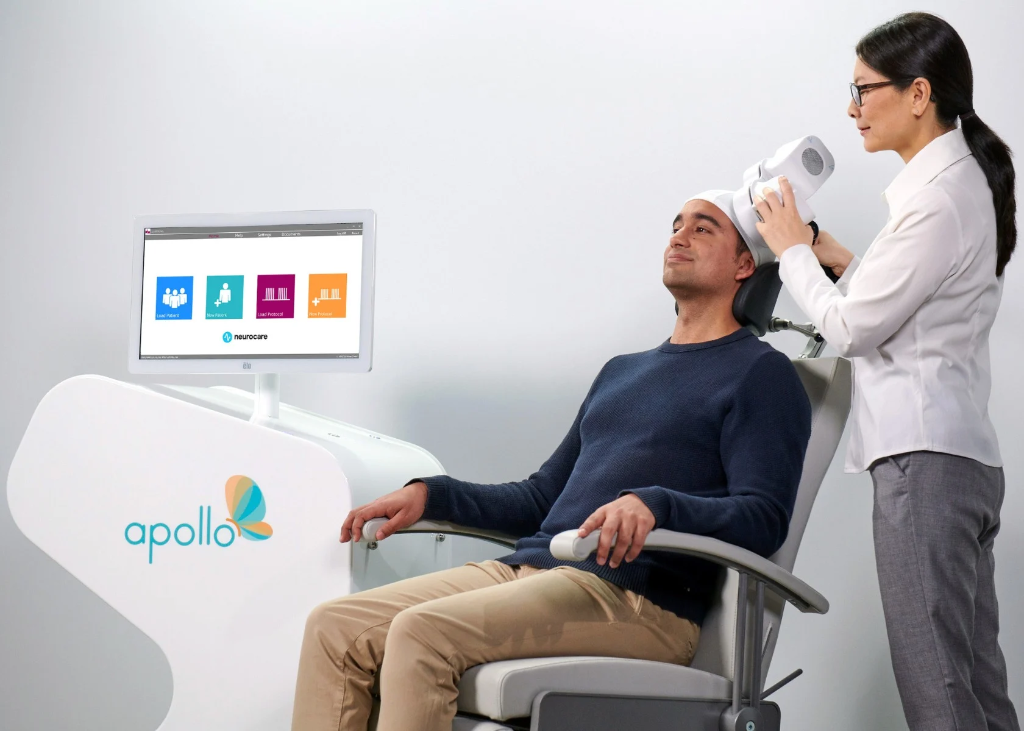
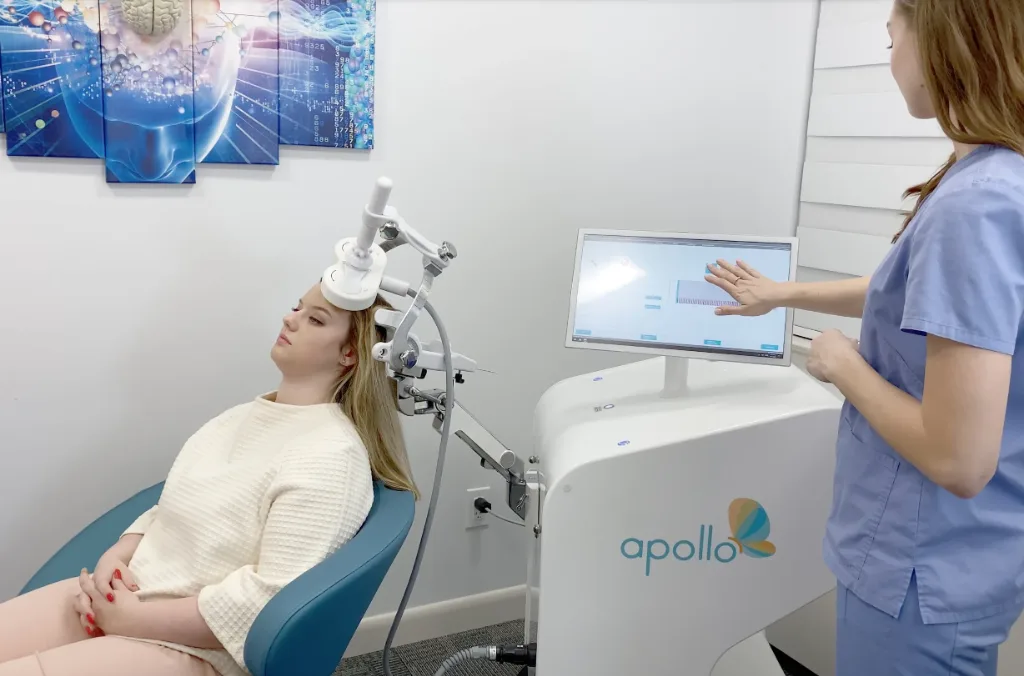
Transcranial Magnetic Stimulation (TMS) is an FDA-cleared, outpatient medical procedure. It utilizes focused magnetic pulses—similar in strength to an MRI scanner—to gently depolarize targeted cortical neurons without entering the bloodstream.
When applied for ADHD, TMS acts as a focal neural recalibration tool:
Read our clinical guide on is TMS therapy legitimate and scientific for further neurobiological context.
Over the past decade, clinical trials indexed on the National Library of Medicine (PubMed) and published in journals such as Brain Stimulation and the Journal of Attention Disorders have investigated repetitive TMS (rTMS) and Deep TMS for adult ADHD.
For adults considering neuromodulation alongside or instead of medication, TMS provides notable clinical advantages:
Concerned about cognitive safety? Read our analysis on can TMS cause memory loss, which explains how cognitive clarity actually improves as neural pathways synchronize.
Our double board-certified psychiatric team in Palm Springs evaluates your neurological profile to craft a personalized plan—combining evidence-based TMS, medication optimization, and executive coaching.
Comparing neuromodulation with pharmacotherapy highlights key clinical differences:
Learn more about medical approaches in our guide on how ADHD treatment works.
In adult psychiatry, ADHD rarely appears alone. Over 60% of adults with ADHD meet diagnostic criteria for co-occurring mood disorders, primarily Major Depressive Disorder (MDD) or generalized anxiety disorders.
This co-occurrence creates a painful cycle: chronic executive dysfunction produces setbacks, fueling depression. In turn, depressive fatigue worsens processing speed. Furthermore, stimulants often exacerbate baseline anxiety, causing panic or insomnia.
Read our clinical analysis on unraveling the link between ADHD and depression comorbidity.
Understanding regulatory standing and insurance coverage in 2026 sets clear expectations:
The FDA has cleared TMS for Major Depressive Disorder, OCD, Migraine, and Smoking Cessation. For standalone ADHD, TMS is prescribed off-label—a common, legal medical practice where physicians utilize safe, evidence-based treatments grounded in published research.
Because standalone ADHD is off-label, insurers generally do not cover TMS exclusively under ADHD diagnostic codes. However:
Review our insurance guides, including does Aetna cover TMS, does Medicare cover TMS therapy, and the cost of TMS without insurance.
TMS is particularly well-suited for individuals in the following clinical situations:
Review our guide on the pros and cons of TMS therapy to evaluate your choices.
Adult ADHD requires compassionate psychiatric care tailored to your biology. At Karma Doctors & Associates, led by double board-certified psychiatrist Dr. Keerthy Sunder, MD, we combine clinical excellence with advanced Apollo TMS technology.
We proudly serve patients throughout Coachella Valley and Southern California, including:
Our clinical team coordinates insurance verification, comprehensive assessments, and motor threshold mapping to ensure seamless, personalized care.
When asking does TMS help with ADHD, the scientific evidence provides an encouraging answer: Transcranial Magnetic Stimulation is a safe, non-systemic neuromodulation option for improving attention, working memory, and impulse control.
By directly strengthening underactive prefrontal networks, TMS offers adults with ADHD an evidence-backed path toward sharper focus, emotional stability, and long-term cognitive resilience.
Yes. Clinical studies show that repetitive TMS (rTMS) stimulates the prefrontal cortex, enhancing dopamine transmission and improving sustained attention, impulse control, and working memory.
As of 2026, TMS is used off-label for ADHD. However, it is FDA-cleared for depression and OCD. Adults with co-occurring depression or anxiety often receive covered TMS protocols that simultaneously improve ADHD focus.
Yes. For patients who cannot tolerate stimulant side effects—like insomnia, appetite loss, or anxiety—TMS provides an effective, non-drug alternative. It can also be paired with lower medication doses.
A standard course involves 30 to 36 sessions (about 20 minutes daily, Monday through Friday). Most patients report noticeable gains in mental clarity and focus by weeks three to four.
Insurance does not typically cover TMS for standalone ADHD. However, when ADHD co-occurs with treatment-resistant depression or OCD, major insurers and Medicare routinely cover the full treatment course.
TMS causes no systemic side effects, digestive upset, or sleep issues. The most common reaction is temporary scalp sensitivity or a mild tension headache during early sessions, which fades quickly.
Because TMS promotes neuroplasticity, focus and executive function improvements typically last 6 to 12 months or longer. Periodic maintenance sessions can help sustain long-term benefits.