Mon - Fri: 9:00 AM - 5:00 PM
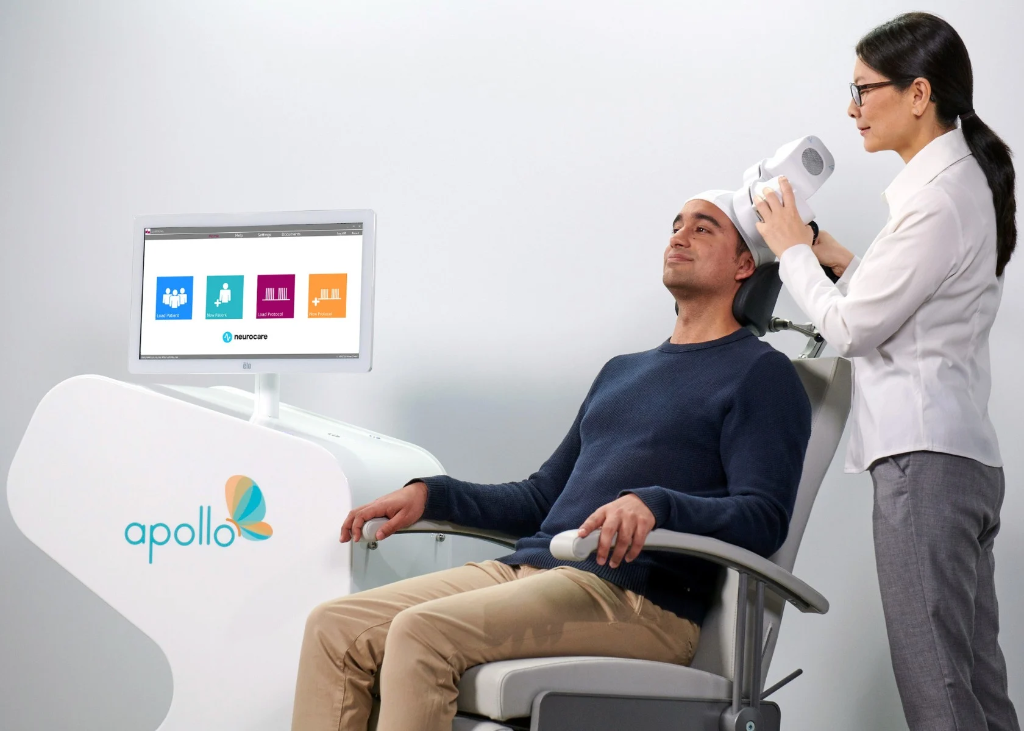
No, TMS therapy (Transcranial Magnetic Stimulation) is not a hoax, scam, or placebo. TMS is an FDA-cleared medical treatment backed by over thirty years of neuroscience research and hundreds of peer-reviewed clinical trials. In double-blind sham-controlled studies, genuine TMS consistently outperforms inactive placebos. Approximately 50% to 60% of patients with treatment-resistant depression experience significant relief, and one-third achieve full clinical remission. Major psychiatric organizations—including the American Psychiatric Association (APA)—endorse TMS as an evidence-based standard of care, and it is widely covered by Medicare and leading health insurance plans.
When exploring treatments for severe depression that resists medication, encountering brain stimulation often triggers skepticism. Patients who have exhausted antidepressants frequently ask a direct question: is TMS a hoax?
In a digital landscape filled with wellness trends making exaggerated claims, questioning brain stimulation is rational. Can magnetic pulses applied to the scalp truly treat depression, or is Transcranial Magnetic Stimulation (TMS) therapy medical theater?
At Karma Doctors & Associates, our double board-certified psychiatric team specializes in treating clinical depression, treatment-resistant depression, and co-occurring anxiety across Palm Springs, Rancho Mirage, and the Coachella Valley. Below is an evidence-backed analysis of why skepticism exists, what double-blind clinical trials prove, and the scientific reality of TMS in 2026.
Skepticism around TMS stems from several understandable factors:
Transcranial Magnetic Stimulation (TMS) operates on Faraday's law of electromagnetic induction. An alternating electrical current inside a handheld coil generates focused magnetic pulses similar in strength to an MRI scanner (1.5 to 3 Tesla).
These pulses pass unhindered through hair and bone to depolarize neurons in the left dorsolateral prefrontal cortex (DLPFC). In depressed individuals, this mood-regulating area shows diminished metabolic activity and connectivity. Repeated TMS sessions reactivate underactive neural pathways, stimulate brain-derived neurotrophic factor (BDNF), and trigger lasting neuroplasticity.
Read more in our comprehensive clinical guide on is TMS therapy legitimate and evidence-based.
The definitive benchmark separating genuine medical treatments from placebos is the double-blind, sham-controlled trial. In these studies, neither patients nor evaluating clinicians know who receives active pulses.
Researchers use specialized "sham coils" that replicate the mechanical clicking noise and scalp tapping sensations without transmitting magnetic energy into the brain. If TMS were merely a placebo effect, active and sham groups would report similar outcomes. Instead, research consistently shows:
Evaluating whether TMS is legitimate requires understanding actual statistical outcomes in treatment-resistant depression:
By comparison, the NIMH STAR*D study demonstrated that after failing two antidepressant trials, the likelihood of remitting on a third oral medication drops to just 13.7%. A 50% to 60% response rate with TMS in this challenging group is clinically substantial. Learn more in our overview of the effectiveness of TMS on treatment-resistant depression.
If TMS is scientifically validated, why do 40% of patients fail to respond? Understanding non-response clarifies why TMS is medicine, not a scam:
Comparing TMS against pharmaceuticals and sham controls demonstrates its distinct clinical profile:
A crucial consideration: insurance companies do not reimburse hoaxes. Medicare, Aetna, Anthem Blue Cross, Blue Shield, Cigna, and UnitedHealthcare cover TMS because rigorous clinical health economics prove it reduces long-term hospitalization and disability costs. Review our guide on does insurance cover depression treatment.
While TMS science is sound, provider quality varies. Knowing the difference between an ethical psychiatric practice and questionable wellness marketing protects patients:
TMS therapy is primarily intended for individuals with Major Depressive Disorder who have not responded to antidepressants or who cannot tolerate pharmaceutical side effects like weight gain, emotional blunting, or sexual dysfunction.
It is also FDA-cleared for OCD and frequently benefits co-occurring anxiety disorders. Explore our analysis of the pros and cons of TMS therapy to determine if it fits your clinical profile.
If you are coping with clinical depression in Southern California, skepticism is a healthy starting point. We welcome questions because science and patient outcomes stand firmly behind legitimate TMS care.
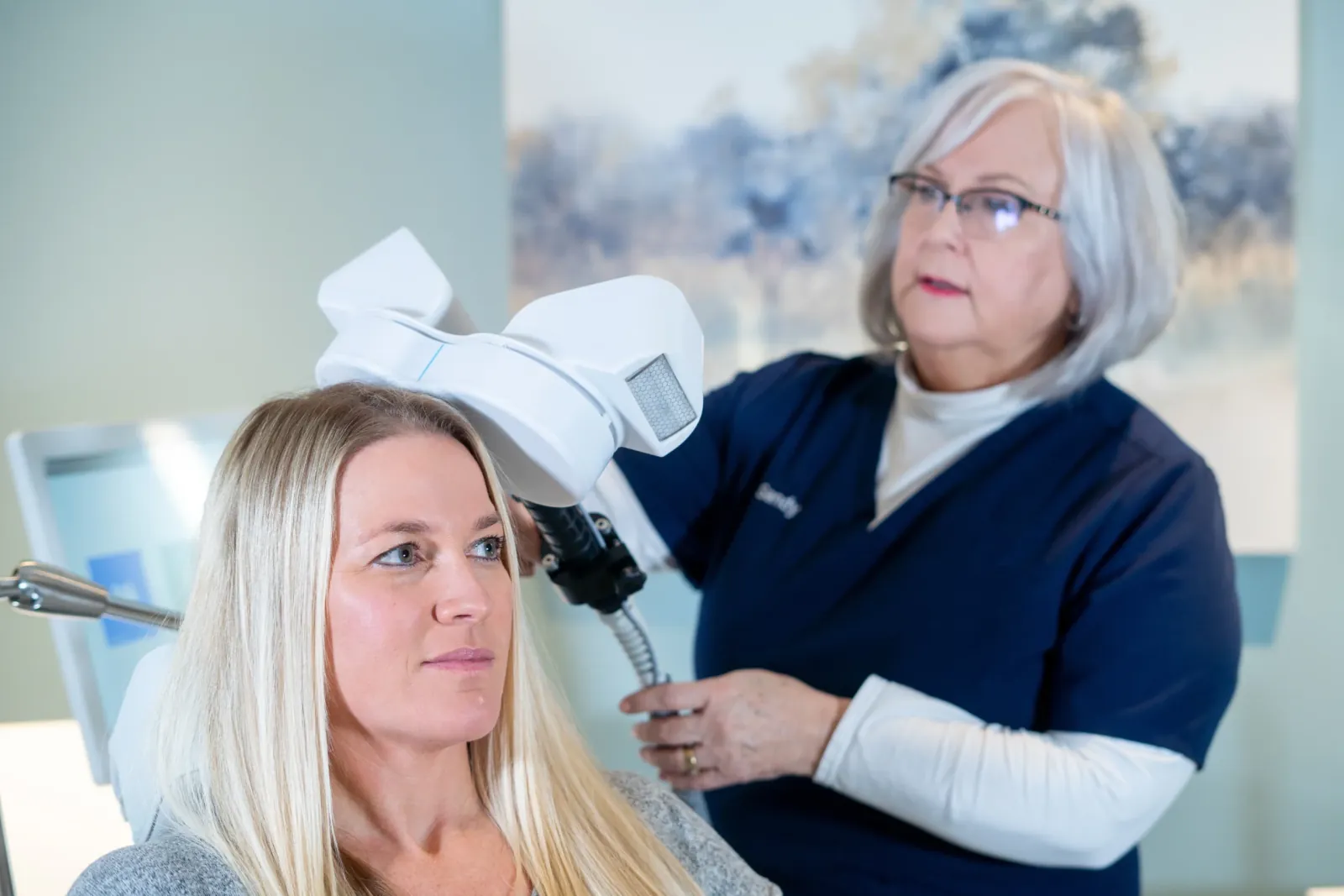
At Karma Doctors & Associates, led by double board-certified psychiatrist Dr. Keerthy Sunder, MD, we combine leading-edge Apollo TMS technology with personalized psychiatric expertise in our comfortable Palm Springs facility.
We proudly serve patients throughout Coachella Valley, including Palm Springs, Rancho Mirage, Palm Desert, Cathedral City, and Twentynine Palms.
Our staff coordinates insurance benefits directly with Medicare and private insurers, ensuring clear coverage expectations before starting treatment.
When evaluating whether is TMS a hoax, more than thirty years of clinical neuroscience provides a definitive answer: no. Transcranial Magnetic Stimulation is not an unproven fad, an elaborate placebo, or medical theater. It is an FDA-cleared, non-invasive neuromodulation therapy that offers real, measurable recovery for individuals living with treatment-resistant depression.
While TMS does not work for 100% of patients, its 50% to 60% response rate in severe, drug-resistant cases represents a transformative psychiatric breakthrough. When delivered by board-certified psychiatrists using medical-grade equipment, TMS stands as one of the safest, most scientifically validated paths to reclaiming mental wellness.
No. Double-blind sham-controlled clinical trials prove that active TMS produces significantly higher response and remission rates than inert sham coils. Functional brain imaging confirms physical increases in prefrontal neural activity and blood flow after active TMS.
Yes. The FDA first cleared repetitive TMS for treatment-resistant Major Depressive Disorder in 2008, with later clearances for OCD, migraine prevention, and smoking cessation backed by randomized clinical trials.
TMS has a 50% to 60% response rate, meaning roughly 40% of patients do not experience substantial relief. Depression has diverse neurobiological origins, and no medical treatment works for every individual. Non-response reflects biological complexity, not that the therapy is a scam.
TMS is not considered experimental. Medicare, Medicaid, and major commercial insurers (Aetna, Anthem Blue Cross, Blue Shield, Cigna, UnitedHealthcare, Tricare) cover TMS when clinical guidelines for treatment-resistant depression are met.
Clinical TMS utilizes high-intensity, focused magnetic pulses (1.5 to 3 Tesla) administered with medical-grade equipment under psychiatric supervision. Consumer headbands emit weak, unregulated electrical currents without clinical validation.
No. TMS does not cause brain damage, cognitive decline, or memory loss. Unlike Electroconvulsive Therapy (ECT), it does not induce seizures or require anesthesia. Memory and cognitive function often improve as depression lifts.
A standard TMS protocol consists of 36 sessions delivered five days a week over six to nine weeks. Most patients begin noticing mood improvements between weeks three and four of continuous care.